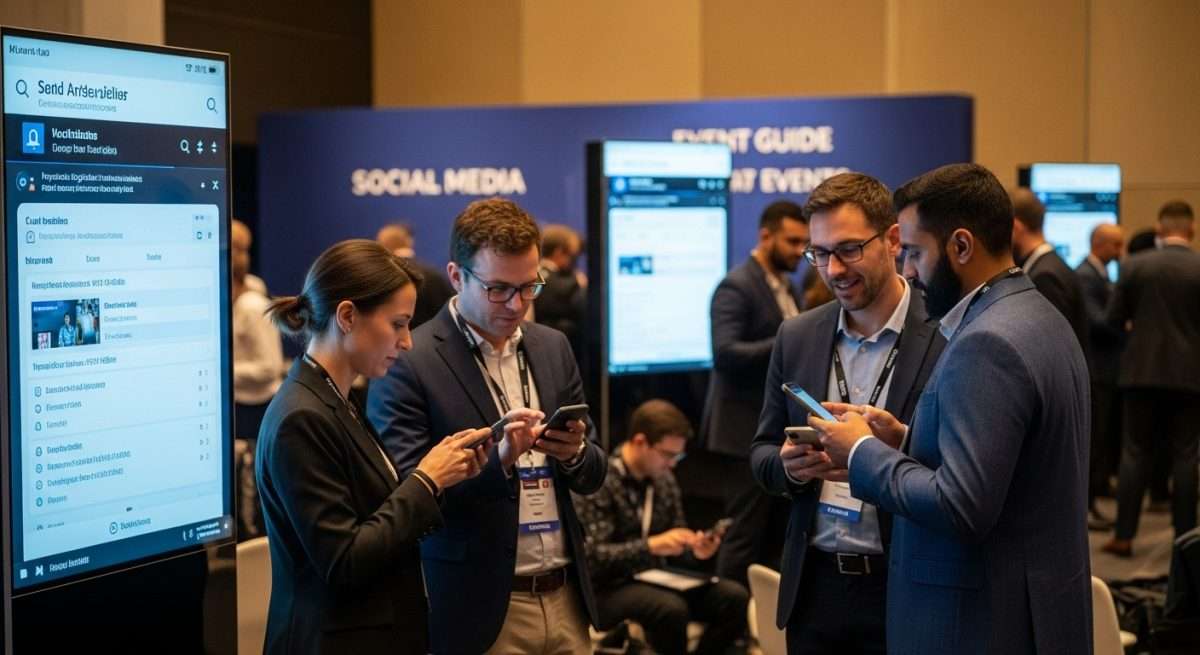
Social media for events has completely changed the way people connect before, during, and after events. More than 70 percent of event organisers now consider it a critical element in their strategy. Most expect the biggest win to come from the buzz and engagement online. Yet, the real surprise is that social media’s power goes far beyond just filling empty seats. It is now shaping how memories are created and shared, and turning every attendee into an active participant long after the lights go out.
Quick Summary
| Takeaway | Explanation |
|---|---|
| Social media enhances event engagement | It transforms interactions from passive to dynamic, fostering real-time participation and community growth. |
| Analytics inform strategic decision making | Measuring engagement and feedback helps refine future events based on participant preferences and behaviours. |
| Targeted campaigns create effective outreach | Understanding audience demographics allows for tailored marketing strategies that boost attendance and engagement. |
| Different platforms serve unique purposes | Selecting the right social media channels enhances communication strategies across diverse audience segments. |
| Psychological drivers enhance engagement | Recognising factors like FOMO and social validation can amplify participation and user-generated content. |
Defining Social Media for Events: What It Is
Social media for events represents a dynamic digital ecosystem designed to transform how organisers, participants, and stakeholders interact before, during, and after an event. At its core, social media provides interactive online platforms that enable real-time communication, engagement, and information sharing across multiple digital channels.
The Digital Event Communication Landscape
In the contemporary event management landscape, social media has evolved from a supplementary communication tool to a critical strategic platform. According to research from the University of Massachusetts, these digital channels serve multiple interconnected functions:
- Facilitating pre-event promotion and audience outreach
- Enabling real-time interaction during events
- Collecting post-event feedback and engagement metrics
- Creating digital communities around event experiences
Core Components of Social Media for Events
Understanding social media for events involves recognizing its multifaceted nature. The platform goes beyond mere advertising, transforming into an interactive space where event narratives are co-created by organisers and participants. Learn more about branding your event’s digital presence to maximise these communication opportunities.
Key digital channels typically include:
- Professional Networking Platforms: LinkedIn for corporate events
- Visual Platforms: Instagram and Pinterest for event showcasing
- Community Platforms: Facebook Groups for sustained engagement
- Live Interaction Platforms: Twitter and X for real-time updates
Successful social media integration requires a strategic approach that considers audience demographics, event type, and communication objectives. By leveraging these digital tools effectively, event professionals can create immersive, interactive experiences that extend far beyond traditional physical boundaries.
The Importance of Social Media in Event Planning
Social media has become an indispensable tool in modern event planning, transforming how organisers conceptualise, execute, and evaluate their events. This digital revolution provides unprecedented opportunities for engagement, promotion, and audience interaction that extend far beyond traditional marketing approaches.
Strategic Communication and Audience Engagement
In contemporary event management, social media serves as more than a promotional channel. According to research from Ulster University, these platforms enable event professionals to:
- Create targeted marketing campaigns
- Build anticipation and excitement
- Facilitate direct communication with potential attendees
- Generate real-time feedback and insights
Comprehensive Event Lifecycle Management
Social media platforms provide comprehensive support throughout the entire event lifecycle. From initial conception to post-event analysis, these digital tools offer unparalleled capabilities for event professionals. Discover expert strategies for planning your perfect event to leverage these technological advantages effectively.
Key strategic benefits include:
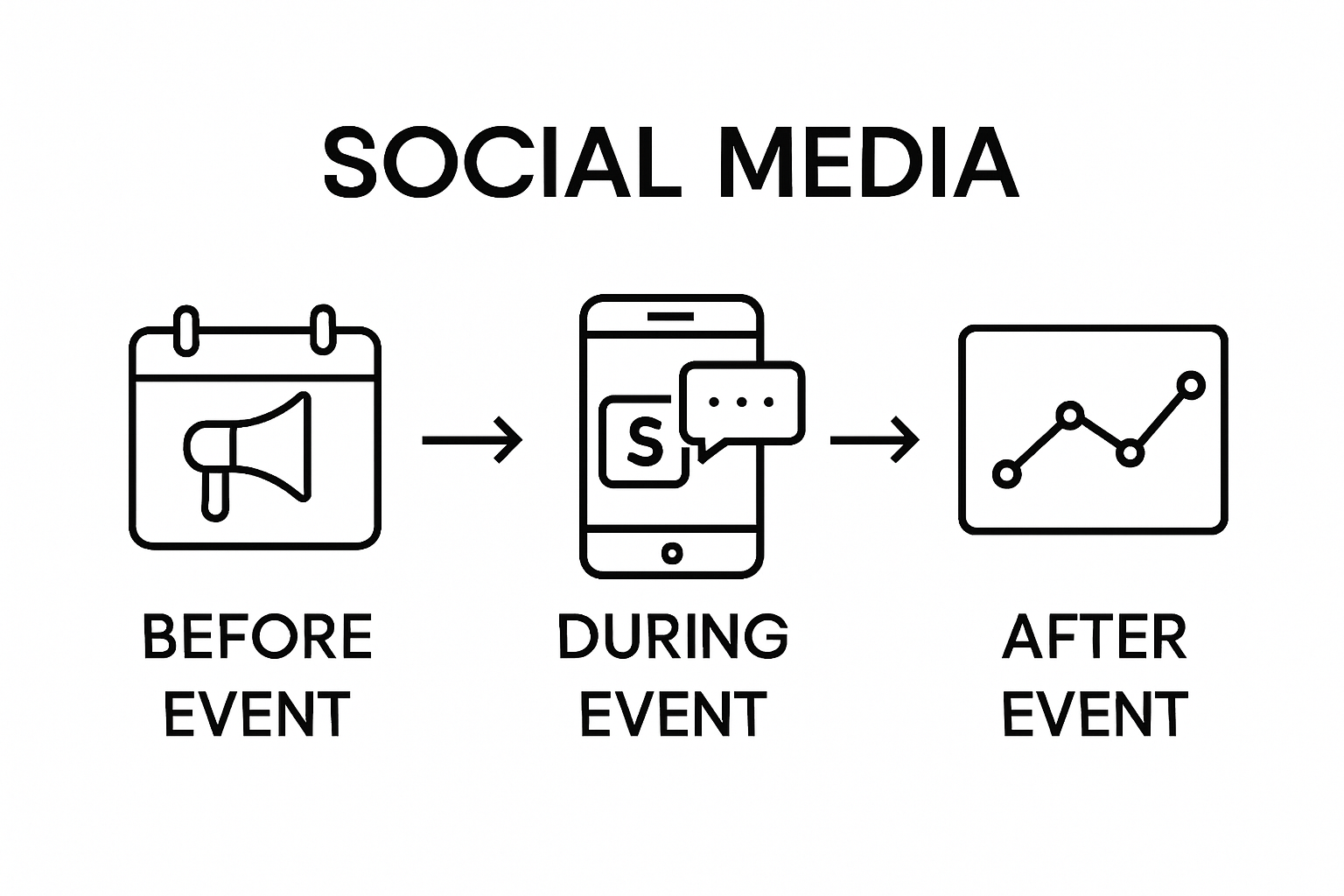
- Pre-event audience research and targeting
- Live event interaction and content sharing
- Post-event community building and feedback collection
- Measurable engagement metrics and performance tracking
By integrating social media strategically, event planners can create more dynamic, interactive, and memorable experiences that resonate with modern audiences and provide actionable insights for future event improvements.
How Social Media Influences Event Engagement
Social media has fundamentally transformed event engagement from a passive experience into an interactive, dynamic journey that connects participants across digital and physical spaces. This digital revolution enables unprecedented levels of audience interaction, participation, and community building.
Creating Interactive Event Experiences
Modern social media platforms provide multi-dimensional engagement channels that extend far beyond traditional event communication methods. According to research in the Journal of Travel Research, these platforms facilitate:
- Real-time audience interaction
- User-generated content creation
- Instantaneous feedback mechanisms
- Global event visibility and reach
Psychological Drivers of Digital Engagement
The psychological mechanisms behind social media event engagement are complex and multifaceted. Digital platforms tap into fundamental human desires for connection, recognition, and shared experiences. Learn how to maximise your event’s digital potential by understanding these intrinsic motivational factors.
Key psychological engagement drivers include:
- Social validation through likes and shares
- Fear of missing out (FOMO)
- Personal branding and identity expression
- Desire for community belonging
By strategically leveraging these digital interaction dynamics, event organisers can create immersive experiences that transcend physical boundaries, transforming passive attendees into active participants and brand ambassadors.
To provide a clear overview of the main psychological mechanisms that drive digital event engagement, the following table summarises each key factor and its impact on participant behaviour.
| Psychological Driver | Description | Impact on Engagement |
|---|---|---|
| Social Validation | Recognition via likes, shares, and comments | Increases motivation to participate |
| FOMO | Fear of missing out on unique experiences | Urges immediate action and attendance |
| Personal Branding | Attendees showcase presence and involvement | Enhances personal and event visibility |
| Community Belonging | Sense of inclusion within an event-centric community | Sustains long-term engagement |
Key Concepts: Platforms, Strategies, and Target Audiences
Successful social media event management requires a nuanced understanding of digital platforms, strategic communication approaches, and precise audience targeting. The complexity of modern digital landscapes demands sophisticated, integrated strategies that go beyond simple broadcast messaging.
Platform Selection and Strategic Communication
Effective event social media strategies demand strategic platform differentiation. According to research from the National Institutes of Health, different platforms serve unique communication objectives:
- Twitter: Real-time updates and brief announcements
- Instagram: Visual storytelling and aesthetic engagement
- LinkedIn: Professional networking and industry events
- Facebook: Community building and detailed event information
- TikTok: Creative, trend-driven content for younger audiences
Audience Targeting and Engagement Techniques
Understanding audience demographics and psychographics is crucial for tailored social media approaches. Discover expert strategies for event planning to refine your targeting techniques.
Key audience targeting considerations include:
- Age and generational communication preferences
- Professional backgrounds and interests
- Geographic and cultural contexts
- Digital literacy and platform familiarity
By integrating platform-specific strategies with precise audience insights, event professionals can create compelling digital narratives that resonate across diverse demographic segments, transforming social media from a mere communication tool into a powerful engagement ecosystem.
To clarify the roles and unique strengths of popular social media platforms in event management, the following comparison table contrasts their key features and strategic event uses.
| Platform | Unique Features | Strategic Event Use |
|---|---|---|
| Real-time updates, hashtag trends | Quick announcements, live commentary | |
| Visual storytelling, Stories/Reels | Showcasing highlights, aesthetic branding | |
| Professional networking, B2B focus | Industry events, corporate promotion | |
| Community groups, event pages | Building communities, detailed updates | |
| TikTok | Creative video, wide youth reach | Trend-driven engagement, viral content |
Measuring Success: Analytics and Feedback in Social Media
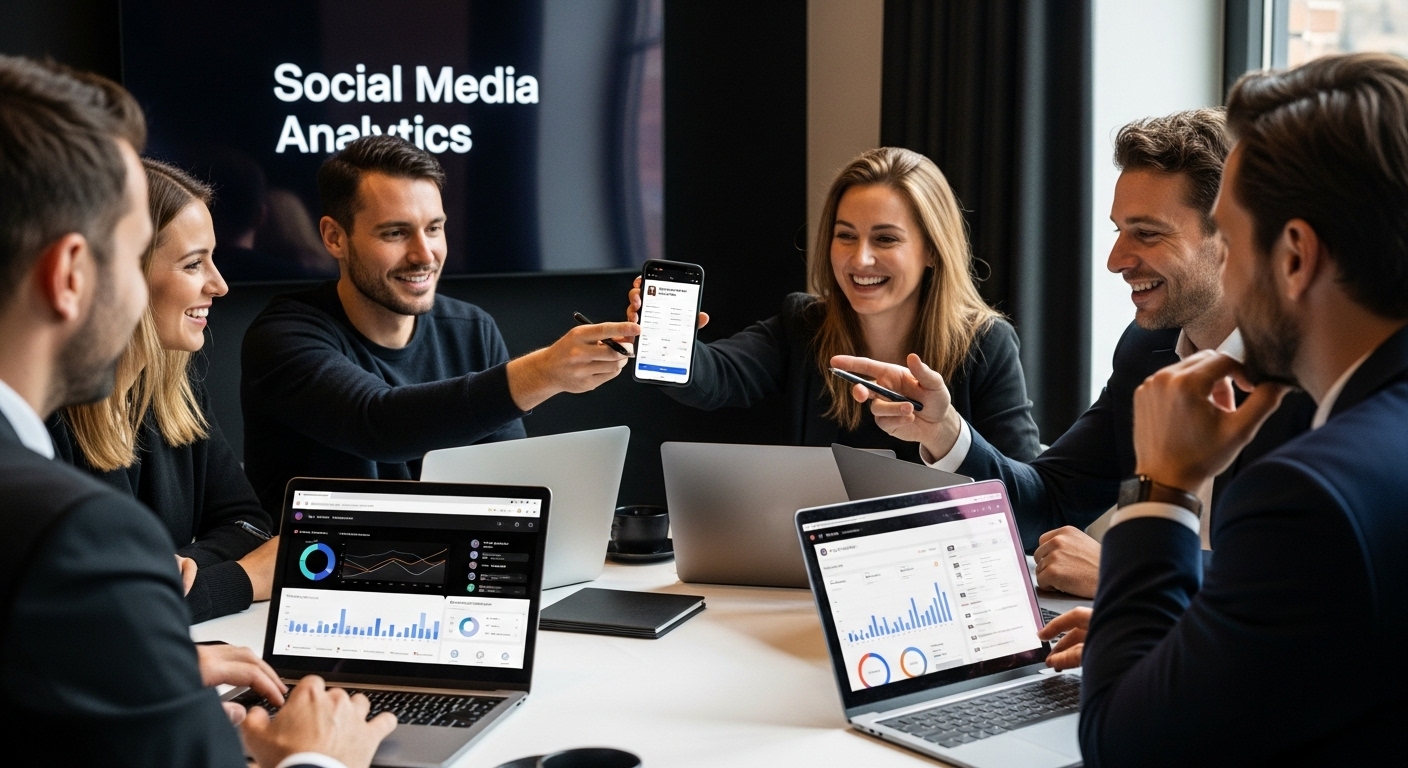
In the digital event management landscape, analytics and feedback mechanisms transform raw social media interactions into strategic insights. These data-driven approaches enable event professionals to move beyond intuitive planning towards precision-based decision making that directly enhances audience experience and event performance.
Comprehensive Performance Metrics
Social media analytics provide a multidimensional view of event engagement and impact. According to research published in Frontiers in Psychology, key performance indicators include:
- Engagement rate percentages
- Audience reach and impressions
- Content interaction metrics
- Sentiment analysis of participant responses
- Conversion tracking for event registrations
Strategic Feedback Integration
Effective feedback collection transforms audience interactions into actionable intelligence. Explore professional event planning techniques to implement sophisticated feedback strategies that elevate event experiences.
Critical feedback analysis components encompass:
- Quantitative survey responses
- Qualitative comment evaluations
- Real-time participant sentiment tracking
- Comparative performance benchmarking
By systematically collecting, analyzing, and interpreting social media data, event professionals can create increasingly refined, audience-centric experiences that adapt dynamically to participant preferences and expectations.
Elevate Your Event’s Social Media Impact with Calle Habana
Are you eager to bridge the gap between online buzz and unforgettable real-world experiences? The article uncovers how social media now leads in driving event engagement and participation, yet many organisers still face the challenge of transforming digital momentum into genuine excitement and interaction at their events. When it comes to creating lively, shareable moments that resonate with both live audiences and online communities, finding the right entertainment is key. Explore our Live Band and Barcelona Events pages to discover how Calle Habana crafts energetic performances designed for both in-person enjoyment and maximum social media traction.
Imagine your event buzzing with Latin rhythms, infectious smiles, and guests inspired to share their experience online. This is the kind of atmosphere that not only delights attendees but also amplifies your event’s reach across digital channels. Take control of your event’s success—contact us today through our enquiry page to ignite your social media strategy with unforgettable live entertainment tailored to your unique audience.
Frequently Asked Questions
What is social media for events?
Social media for events refers to digital platforms that facilitate communication, engagement, and information sharing among event organisers, participants, and stakeholders before, during, and after an event.
How does social media enhance audience engagement during events?
Social media enhances audience engagement by enabling real-time interaction, facilitating user-generated content, and providing instantaneous feedback mechanisms, which create a dynamic and immersive experience for attendees.
What are the key components of a successful social media strategy for events?
A successful social media strategy for events includes platform selection tailored to communication objectives, targeted audience engagement techniques, and a detailed plan for pre-event promotion and post-event analysis.
How can event planners measure success through social media?
Event planners can measure success through social media analytics that track engagement rates, audience reach, content interaction metrics, and participant sentiment, allowing for data-driven decision-making and feedback integration.