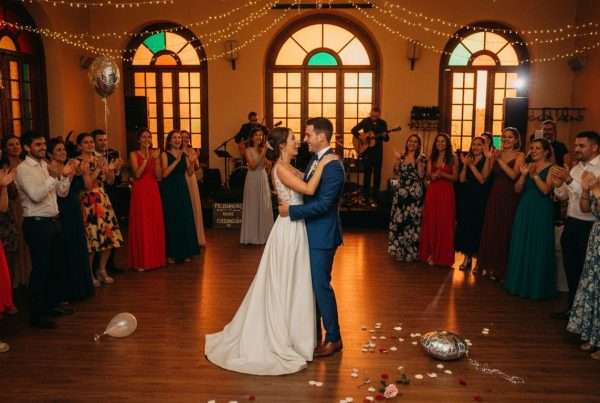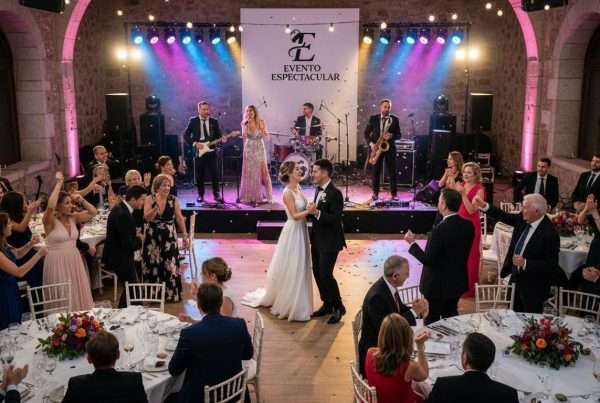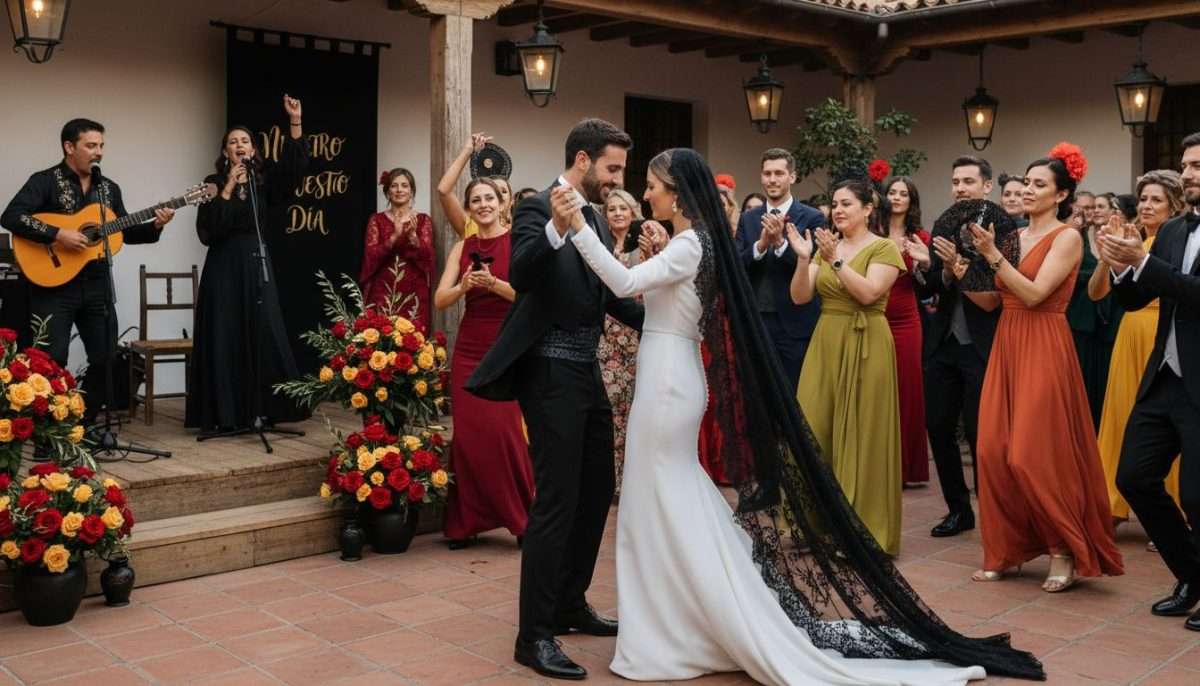
Music shapes Spanish weddings in ways few other traditions can. In Spain, over 90 percent of couples say live music is a must-have for their big day. This deep connection goes beyond entertainment, turning every wedding into a vibrant expression of culture and emotion. Whether you’re drawn to bold flamenco or timeless classics, the right music can capture your story and create memories your guests will never forget.
Key Takeaways
| Point | Details |
|---|---|
| Cultural Significance of Music | Music is a vital element in Spanish weddings, serving as a storytelling device that connects cultural identity and emotional expression. |
| Diverse Musical Styles | Spanish wedding music incorporates a range of styles, from traditional forms like flamenco and bolero to modern genres like salsa and bachata, providing diverse options for couples. |
| Importance of Entertainment Selection | Choosing between live bands, DJs, and thematic acts can influence the wedding atmosphere; couples should consider their preferences and budget accordingly. |
| Avoid Common Pitfalls | Couples should ensure cultural authenticity and proper planning by researching musical genres and managing logistics to create a memorable wedding experience. |
The Role of Music in Spanish Weddings
Music transforms Spanish weddings from mere ceremonies into vibrant cultural celebrations that pulse with emotion, rhythm, and deep-rooted tradition. In Spain, music is far more than background entertainment—it’s an integral storytelling element that connects generations, expresses cultural identity, and creates unforgettable moments of joy and connection.
Traditional Spanish musical styles play a profound role in wedding celebrations. For instance, the son jarocho musical tradition, exemplified by the iconic song ‘La Bamba’, represents a beautiful cultural fusion. Wikipedia reveals that during wedding ceremonies, couples would literally tie a ribbon together on their toes while dancing to ‘La Bamba’, symbolizing their binding love and commitment.
Regional musical styles like the jota further demonstrate how deeply intertwined music is with Spanish wedding traditions. Wikipedia notes that the jota varies dramatically across different Spanish regions—from Aragon to Catalonia—and is typically performed with traditional costumes and accompanying castanets. These performances aren’t just musical performances; they’re living cultural narratives that connect wedding guests to their rich heritage.
Modern Spanish wedding music has beautifully evolved while maintaining strong cultural roots. Couples now blend traditional sounds with contemporary styles, creating personalized musical experiences that reflect both respect for tradition and individual taste. Whether it’s a classic flamenco performance during cocktail hour, a lively salsa band for the reception, or a romantic rumba catalana for the first dance, music remains the heartbeat of Spanish wedding celebrations.
Discover the perfect wedding ceremony music to create an authentic and memorable Spanish wedding experience that will resonate with you and your guests for years to come.
Popular Music Styles and Traditions
Spanish wedding music is a rich tapestry of diverse musical styles that reflect the country’s complex cultural heritage, blending traditional rhythms with contemporary sounds. Each musical genre tells a unique story, transforming wedding celebrations into vibrant expressions of regional identity and emotional connection.
One of the most enchanting traditional styles is the bolero, a dance with deep historical roots. Wikipedia reveals that this elegant dance originated between 1750 and 1772, becoming particularly popular in regions like Madrid, La Mancha, Andalusia, and Murcia. Traditionally performed with guitar and castanets, the bolero’s moderately slow tempo and intricate movements make it a romantic choice for wedding ceremonies and receptions.
Another captivating musical tradition is the malagueña, which beautifully demonstrates the fusion of musical styles in Spanish culture. Wikipedia notes that this musical form, popularized by Cuban composer Ernesto Lecuona, combines flamenco dance styles with pasodoble elements from Málaga. Its versatility has made it a standard in various musical genres, from jazz to marching bands, offering couples a sophisticated musical option for their wedding celebrations.
Modern Spanish wedding music embraces a stunning array of styles, including:
- Flamenco: Passionate and intense, perfect for dramatic moments
- Rumba Catalana: Upbeat and festive, ideal for reception dancing
- Sevillanas: Traditional dance music with strong regional roots
- Salsa: High-energy style that gets everyone on the dance floor
- Bachata: Romantic and sensual, great for intimate moments
Learn about the latest global music trends to inspire your wedding music selection and create a truly memorable celebration that blends tradition with contemporary flair.
Live Bands, DJs, and Thematic Acts Compared
Choosing the right musical entertainment for a Spanish wedding is crucial in creating an unforgettable celebration that captures the vibrant spirit of Spanish culture. Each musical option offers unique advantages, transforming your wedding reception into a personalized musical journey that reflects your individual style and cultural traditions.
Side-Line highlights the rich diversity of Latin wedding music genres, revealing the intricate musical landscape couples can explore. Live bands stand out as the most authentic option, offering dynamic performances that can seamlessly transition between different musical styles. From traditional jota to contemporary salsa, live bands provide an interactive experience that engages guests and creates memorable moments.
DJs offer a more flexible alternative, capable of curating a diverse playlist that spans multiple musical genres. They excel at reading the room’s energy and adapting the music accordingly, ensuring continuous entertainment throughout the wedding celebration. Their technical setup allows for quick transitions and a vast music library that can accommodate various musical preferences.
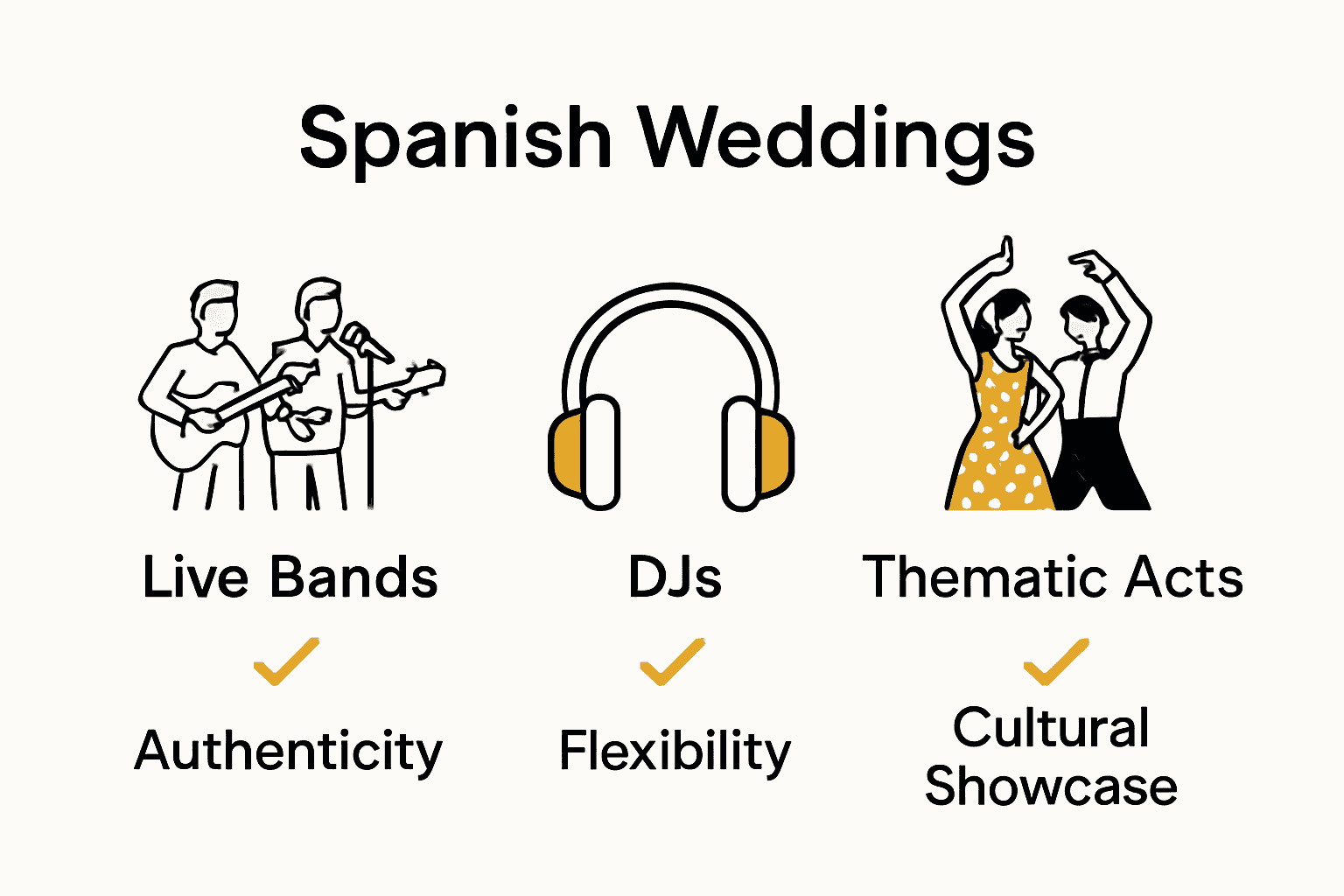
Thematic acts represent a unique entertainment approach, particularly popular in Spanish weddings. These specialized performances might include:
- Traditional Spanish Ensemble: Featuring classical instruments and regional costumes
- Flamenco Dance Troupe: Providing high-energy cultural performance
- Cuban Trio: Offering intimate, romantic musical interpretations
- Latin Jazz Band: Blending sophisticated musical styles
- Folkloric Musical Group: Showcasing regional musical traditions
Learn expert tips for choosing between live bands and DJs to make the perfect musical selection for your Spanish wedding celebration.
Tailoring Music for Each Wedding Phase
A truly memorable Spanish wedding requires thoughtful musical curation that captures the emotional journey of the celebration. From the anticipatory moments of the ceremony to the exuberant reception, each wedding phase demands a unique musical approach that reflects the couple’s personality and cultural heritage.
Side-Line highlights the incredible diversity of Latin musical genres that can be strategically employed throughout the wedding day. During the ceremony, consider elegant and intimate musical styles such as:
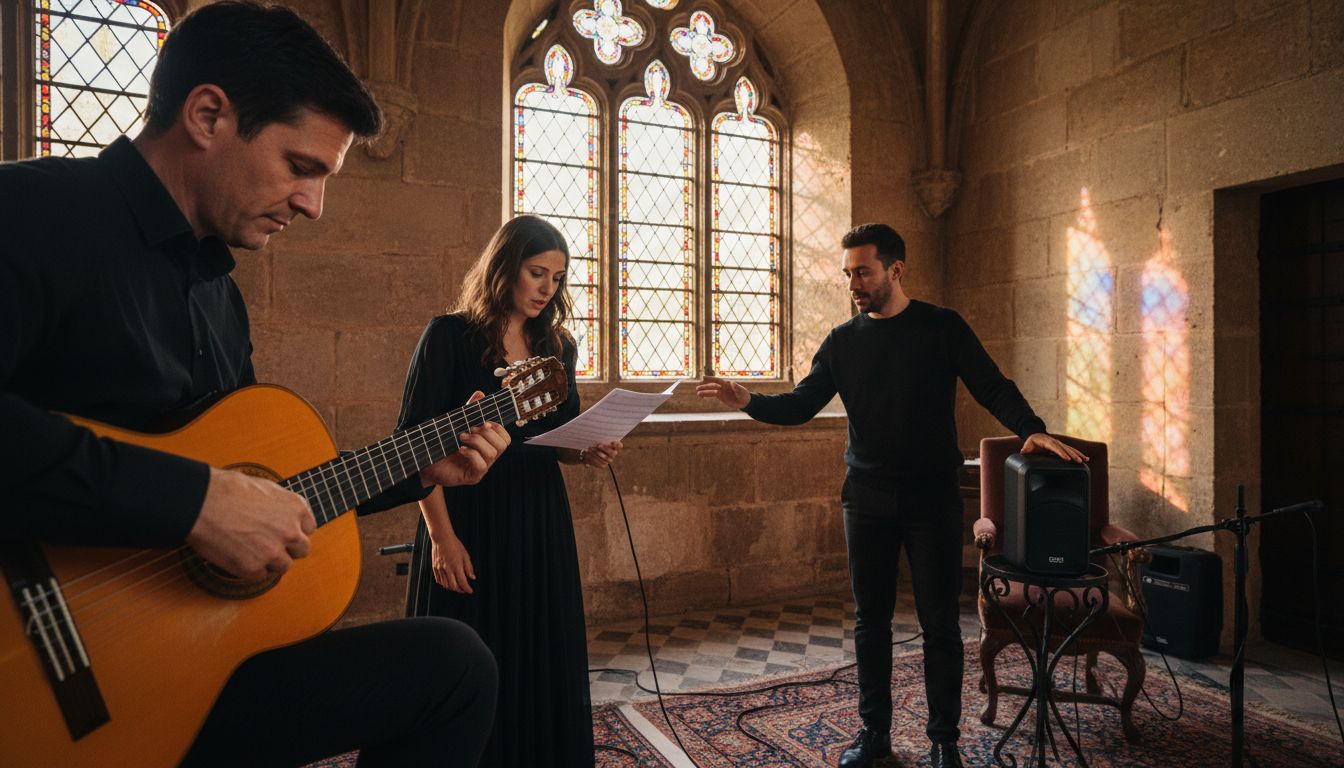
- Classical Spanish Guitar: Providing soft, romantic accompaniment
- Bolero: Creating a deeply emotional atmosphere
- Acoustic Trio: Offering delicate, personalized performances
The cocktail hour presents an opportunity to transition into more vibrant musical expressions. This is where Latin jazz, light salsa, and rumba catalana can create a sophisticated yet energetic ambiance that encourages conversation and celebration.
The reception demands high-energy musical performances that transform the celebration into an unforgettable party. Here, full bands can unleash powerful performances featuring:
- Salsa: Getting everyone onto the dance floor
- Bachata: Creating romantic, intimate moments
- Flamenco: Delivering passionate cultural performances
Explore our comprehensive wedding ceremony music guide to ensure each musical moment is perfectly crafted to create lasting memories of your special day.
Logistics, Budgeting, and Booking Tips
Planning the musical entertainment for a Spanish wedding requires careful consideration of logistics, budget, and strategic booking to ensure a seamless and memorable experience. Understanding the nuanced requirements of live musical performances will help couples make informed decisions that align with their vision and financial constraints.
Side-Line highlights the diverse musical landscape that couples can explore, which directly impacts budgeting and logistical planning. The budget allocation for wedding music typically ranges from 5-15% of the total wedding expenses, with variations depending on the type of musical entertainment selected.
Key budgeting considerations for musical entertainment include:
- Live Band: €1,500 – €5,000
- DJ: €800 – €2,500
- Thematic Musical Act: €1,200 – €3,500
- Additional Performance Hours: €250 – €500 per extra hour
- Sound Equipment Rental: €300 – €800
When booking musical entertainment, consider these critical logistics:
- Book at least 6-9 months in advance
- Request comprehensive performance packages
- Discuss exact performance timeline
- Confirm technical requirements and venue compatibility
- Negotiate clear contract terms
Discover essential tips for hiring live music in Spain to streamline your wedding music planning and avoid potential logistical challenges.
Common Mistakes and How to Avoid Them
Selecting musical entertainment for a Spanish wedding can be complex, with numerous potential pitfalls that can transform what should be a magical moment into a disappointing experience. Understanding these common mistakes is crucial for couples planning their dream celebration.
Side-Line emphasizes the importance of musical genre knowledge, which highlights one of the most significant mistakes couples make: choosing music without understanding its cultural context. Spanish wedding music is not just about sound, but about storytelling, emotion, and cultural expression.
Key mistakes to avoid include:
- Overlooking Cultural Authenticity: Selecting generic music that lacks Spanish musical heritage
- Ignoring Guest Demographics: Choosing music that doesn’t appeal to your entire audience
- Poor Sound Equipment Planning: Failing to consider venue acoustics and technical requirements
- Inflexible Musical Programming: Not allowing room for spontaneity and guest interaction
- Budget Misallocation: Underestimating the costs of quality live musical performances
When planning your musical entertainment, remember:
- Research musical genres thoroughly
- Request live performance demos
- Discuss detailed performance timelines
- Understand the musicians’ repertoire
- Plan for musical transitions between wedding phases
Learn what makes great wedding music and transform potential pitfalls into unforgettable musical moments.
Perfect Your Spanish Wedding with Expert Live Music
Planning the ideal musical journey for your Spanish wedding is as vital as choosing the venue or dress. The article highlights challenges such as blending traditional rhythms like bolero and flamenco with modern styles while ensuring cultural authenticity and emotional connection. You want music that speaks to your heritage, keeps guests engaged, and adapts seamlessly through each wedding phase from ceremony to reception. The complexity can feel overwhelming without the right support.
At Calle Habana Band, we specialise in crafting unforgettable wedding atmospheres tailored to your unique story. Whether you desire a passionate live band that honours Spanish traditions or a versatile DJ set energising the dance floor, we offer customised packages designed for every moment of your celebration. Explore our full range of services on our Wedding category page and discover how we bring your vision to life with expert professionalism and vibrant Latin beats.
Ready to avoid common pitfalls and make your wedding music flawless and meaningful? Connect with us today to discuss your bespoke musical entertainment and secure your date. Do not wait until the last minute as the best acts book quickly. Contact us now at https://callehabana.es/en/contact to start planning your perfect wedding soundtrack.
Frequently Asked Questions
How important is music in a Spanish wedding?
Music is crucial in Spanish weddings, transforming ceremonies into vibrant cultural celebrations that express emotions and connect generations. It serves as a storytelling element that enhances the overall experience.
What are some traditional music styles for Spanish weddings?
Traditional music styles for Spanish weddings include son jarocho, jota, bolero, and malagueña. These styles are deeply rooted in Spanish culture and add authenticity to wedding celebrations through their unique rhythms and performances.
Should I choose a live band or a DJ for my wedding music?
Both options have their advantages. Live bands provide an authentic, interactive experience with dynamic performances, while DJs offer a diverse playlist and flexibility to adapt music according to the guests’ energy.
Consider your preferred atmosphere and budget to make the ideal choice.
How can I tailor the music for different phases of the wedding?
Music can be tailored for each wedding phase by selecting suitable genres. For the ceremony, opt for soft classical guitar or bolero. During the cocktail hour, consider lively genres like Latin jazz or salsa, and for the reception, high-energy styles such as salsa, bachata, or flamenco are perfect to create a festive atmosphere.