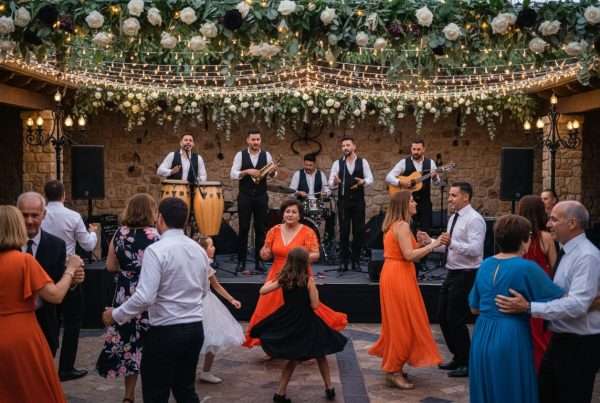
Did you know that nearly one in four destination weddings in Europe now takes place in Spain? With its sun-soaked scenery, vibrant culture, and world-class cuisine, Spain draws couples from across the globe eager to exchange vows in an unforgettable setting. Planning an international wedding here opens the door to a blend of traditions, unique legal requirements, and logistics that demand careful consideration for a flawless celebration.
Key Takeaways
| Point | Details |
|---|---|
| Cultural Fusion | International weddings in Spain should incorporate a blend of multicultural traditions and customs to enhance the celebration. |
| Legal Preparation | Couples must navigate specific legal requirements, including documentation submission, with at least 3-6 months of preparation before the wedding. |
| Venue Selection | Choosing a venue involves considering climate, accessibility, and local vendor compatibility for a successful multicultural wedding experience. |
| Vendor Management | Engaging a local wedding planner is crucial for effective communication and coordination with vendors, ensuring all aspects are culturally appropriate and legally compliant. |
Defining International Weddings in Spain
An international wedding in Spain represents a unique celebration that brings together couples and guests from different cultural backgrounds in one of Europe’s most romantic destinations. These weddings transcend traditional local ceremonies by blending multicultural elements, global guest lists, and the stunning backdrop of Spanish landscapes.
According to Boutique Weddings in Spain, these events require meticulous planning, with venues often being booked 12–18 months in advance. The complexity increases with international logistics, making early preparation crucial. Key considerations for international weddings in Spain include:
- Cultural fusion: Incorporating traditions from multiple nationalities
- Multilingual coordination: Managing communications across different languages
- Complex guest management: Handling international travel and accommodation
- Legal documentation: Navigating Spanish marriage registration requirements
Hiring a local Spanish wedding planner becomes essential for seamless execution. These professionals understand local regulations, can communicate effectively with regional vendors, and provide invaluable insights into creating a truly memorable multinational celebration.

Ultimately, an international wedding in Spain is more than an event—it’s a cross-cultural experience that transforms a traditional ceremony into a global celebration of love, connection, and shared joy.
Legal Requirements for Foreign Couples
Navigating the legal landscape for international marriages in Spain requires careful preparation and understanding of specific documentation requirements. Foreign couples planning to tie the knot in this beautiful country must be prepared to navigate a complex but manageable legal process.
According to Expatica, there are crucial prerequisites for marriage in Spain. Both partners must be over 18 years old, and at least one partner must either be a Spanish citizen or have resided in Spain for a minimum of two years. Non-resident couples face additional documentation challenges.
Essential documents for legal marriage include:
- Original passports for both partners
- Birth certificates with official translations
- Certificate of no impediment (proving you’re legally free to marry)
- Apostille certification for all international documents
- Sworn Spanish translations of all non-Spanish documents
As detailed by Holafly, couples must submit their documentation through the local civil registry or town hall. Notably, procedures can vary slightly by region, so working with a local Spanish wedding planner becomes invaluable in navigating these nuanced legal requirements.
Pro tip: Start the documentation process at least 3-6 months before your planned wedding date to ensure smooth processing and avoid last-minute bureaucratic surprises.
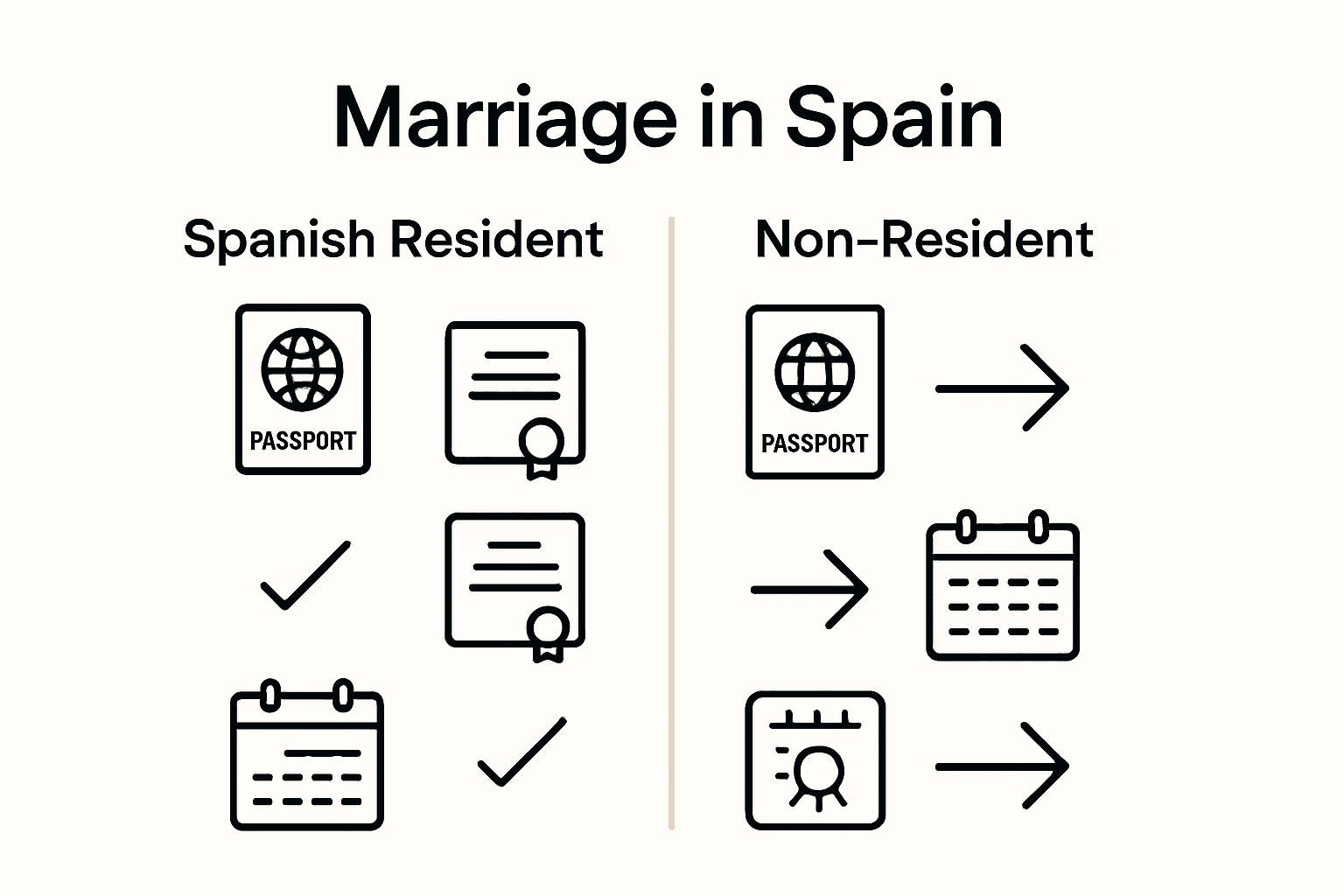
Here’s a comparison of essential legal requirements for foreign couples marrying in Spain:
| Requirement | Spanish Resident Couple | Non-Resident International Couple |
|---|---|---|
| Minimum age | 18+ | 18+ |
| Residency requirement | At least one resident or Spanish citizen | At least one partner two years’ residency |
| Key documents | Passports Birth certificates | Passports Birth certificates Certificate of no impediment Apostille Sworn translations |
| Documentation submission | Local civil registry/town hall | Local civil registry/town hall |
| Typical timeline | 3–6 months | 3–6 months+ (allow more for legalisation) |
| Regional variation | Yes | Yes |
Venue Selection and Location Logistics
Choosing the perfect wedding venue in Spain requires strategic planning and careful consideration of multiple factors that extend far beyond aesthetic appeal.
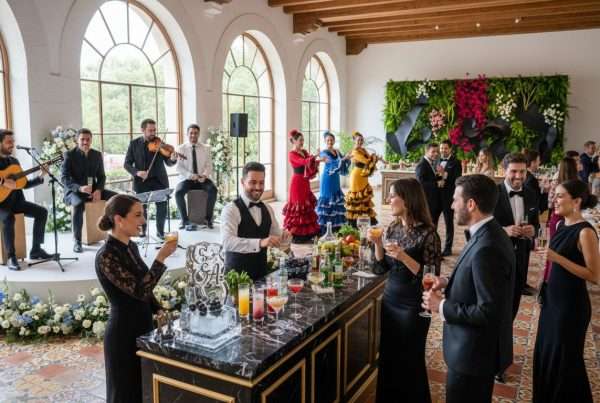
 The diverse Spanish landscape offers couples an extraordinary range of options, from sun-drenched coastal settings to historic inland estates.
According to Dalmare Photography, climate plays a critical role in venue selection. The intense summer heat in inland regions can significantly impact guest comfort, making coastal or northern venues more appealing. Smart couples often opt for morning ceremonies or select venues with excellent temperature management and shaded areas.
Key venue considerations include:
- Geographical diversity: Options ranging from Mediterranean beaches to mountain retreats
- Climate adaptability: Venues with indoor and outdoor spaces
- Accessibility for international guests
- Local vendor compatibility
- Infrastructure for multi-cultural celebrations
Financial and logistical planning demands attention to detail. Spanish wedding planners recommend opening a local bank account to facilitate vendor payments, as many Spanish vendors prefer bank transfers with notoriously slow processing times. Additionally, securing necessary permits and event insurance well in advance can prevent last-minute complications.
Pro tip: Visit potential venues during the same season as your wedding date to accurately assess temperature, lighting, and overall atmosphere, ensuring your dream location meets both aesthetic and practical requirements.
Managing Vendors and Entertainment Choices
International wedding vendors in Spain represent a complex ecosystem requiring strategic navigation and specialized local knowledge. Orchestrating the perfect celebration demands more than just selecting beautiful services—it requires understanding the nuanced Spanish event production landscape.
According to Boutique Weddings in Spain, hiring a local wedding planner becomes crucial for international couples. These professionals provide invaluable support by leveraging established vendor networks, managing multilingual communications, and ensuring seamless logistical coordination.
Key vendor selection considerations include:
- Musical entertainment matching cultural preferences
- Catering services accommodating diverse dietary requirements
- Photography and videography experienced in destination weddings
- Translation and coordination services
- Local regulatory compliance expertise
For couples seeking authentic Spanish entertainment, Calle Habana offers specialized live music options that can transform your wedding experience. From traditional Spanish bands to contemporary Latin ensembles, selecting the right musical accompaniment can elevate your celebration from standard to extraordinary.
Pro tip: Request comprehensive portfolios, verify multilingual capabilities, and always negotiate contracts that include clear contingency plans for potential international complications.
Integrating Spanish wedding traditions into an international celebration requires a delicate balance of respect, understanding, and cultural appreciation. Each region of Spain brings unique customs that can transform an ordinary wedding into an extraordinary cultural experience.
According to Perfect Venue, several iconic Spanish traditions stand out for international couples. The arras coin ritual is particularly significant—a ceremonial exchange of 13 coins symbolizing prosperity, unity, and the groom’s commitment to financially supporting the family. Another cherished tradition involves the mantilla lace veil, a delicate accessory representing feminine grace and cultural heritage.
Key Spanish wedding traditions include:
- Arras coin ceremony: Exchanging 13 coins symbolizing shared economic responsibility
- Rice or rose petal throwing for fertility and good luck
- Garter removal and auction as a playful reception ritual
- Padrinos (godparents) replacing traditional wedding party roles
- Regional variations like Basque black wedding attire
For couples seeking authentic entertainment that complements these traditions, Calle Habana offers live music performances that can seamlessly integrate cultural elements into your celebration. From traditional Spanish bands to contemporary Latin ensembles, the right musical accompaniment can elevate your wedding from a simple ceremony to a deeply meaningful cultural experience.
Pro tip: Embrace these traditions as opportunities for cultural exchange, allowing your international guests to experience the rich tapestry of Spanish wedding customs.
Budgeting, Contracts, and Key Pitfalls
Planning an international wedding in Spain requires financial savvy and strategic preparation that goes far beyond typical wedding budgeting. The complexity of cross-border celebrations demands meticulous financial planning and an understanding of unique regional challenges.
According to Dalmare Photography, international couples face several distinctive financial and logistical considerations. The slow vendor payment processes, bureaucratic documentation delays, and climate-related complications can significantly impact overall wedding expenses and planning strategies.
Critical budgeting considerations include:
- Currency exchange rate fluctuations
- International transaction fees
- Additional travel and accommodation costs
- Local vendor payment preferences
- Contingency funds for unexpected complications
For couples seeking transparent and culturally authentic entertainment, Calle Habana recommends opening a local Spanish bank account to streamline vendor payments. This approach not only simplifies financial transactions but also helps mitigate potential currency conversion challenges.
Pro tip: Build a comprehensive budget with a 15-20% buffer for unexpected expenses, carefully review all contracts in both English and Spanish, and always include detailed cancellation and contingency clauses to protect your investment.
Bring Your International Wedding in Spain to Life with Unforgettable Music
Planning an international wedding in Spain means balancing culture, logistics and authentic celebration. One of the greatest challenges outlined in our guide is ensuring your special day feels vibrant, welcoming and truly memorable for guests from around the world. Choosing the right entertainment, managing language barriers, and creating an atmosphere everyone will remember can feel overwhelming without expert support. If you want your wedding to reflect both the beauty of Spain and your unique story, musical entertainment is crucial.
Explore inspiring solutions in our Destination Wedding section to see how others have transformed their events. Let Calle Habana deliver a high-energy experience with live Latin music, bespoke performances and a style that suits every moment of your day. Do not leave your dream celebration to chance – contact us now to discover how we can tailor an entertainment package just for you and make your international wedding in Spain truly unforgettable.
Frequently Asked Questions
What are the essential legal requirements for foreign couples marrying in Spain?
Foreign couples must provide original passports, birth certificates with official translations, a certificate of no impediment, apostille certification, and sworn Spanish translations of all non-Spanish documents. Additionally, at least one partner must be a Spanish citizen or have resided in Spain for a minimum of two years.
How early should we start planning an international wedding in Spain?
It is advisable to start planning at least 12-18 months in advance to secure your venue and navigate complex logistics, including legal documentation and guest accommodations.
What factors should we consider when selecting a wedding venue in Spain?
Consider geographical diversity, climate adaptability, accessibility for international guests, local vendor compatibility, and infrastructure for multicultural celebrations when choosing a wedding venue.
How can we manage the diverse vendor requirements for an international wedding?
Hiring a local wedding planner who understands the Spanish event production landscape can help with vendor selection, managing multilingual communications, and ensuring regulatory compliance during the planning and execution of your wedding.