
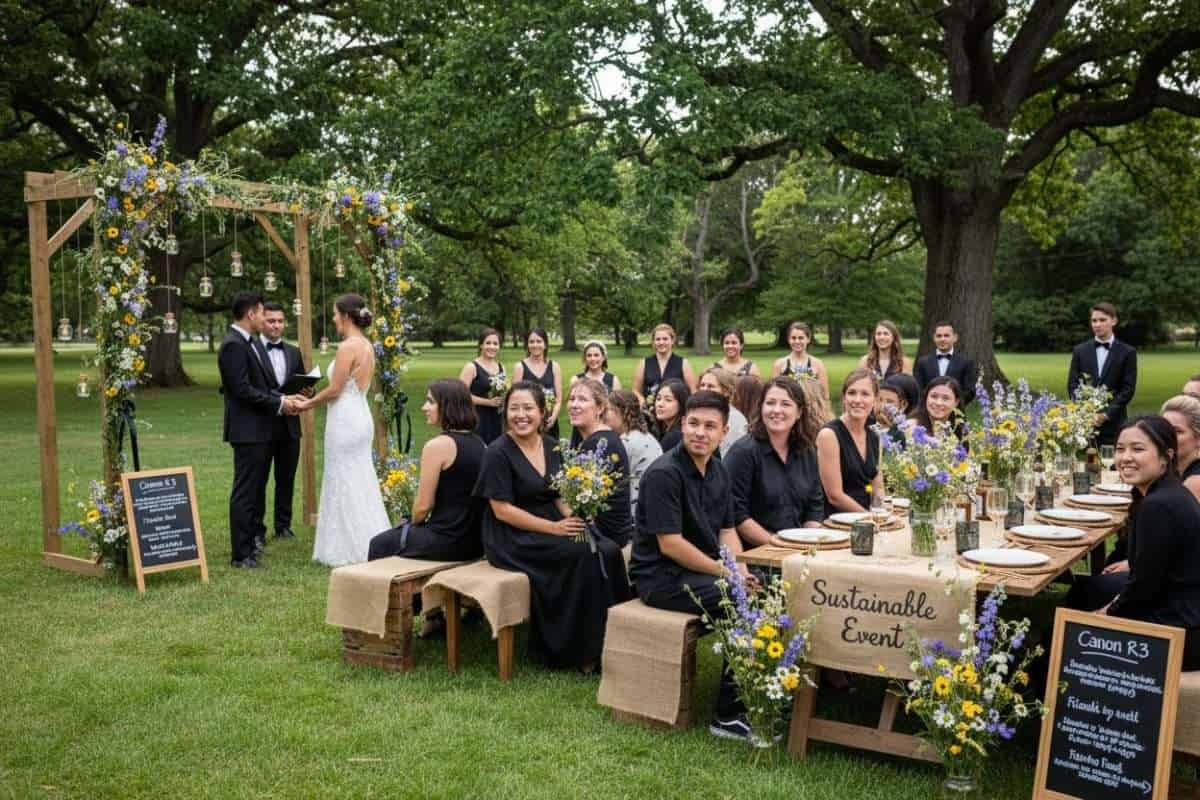
Sustainable event planning is changing the way we celebrate and connect. More than 70 percent of consumers say they prefer to support events with eco-friendly values and practices. It might seem like going green would make an event less impressive or more complicated, but the biggest surprise is that sustainable events can actually leave guests with richer memories and hosts with stronger reputations.
Quick Summary
| Takeaway | Explanation |
|---|---|
| Adopt green venue practices | Select venues with green certifications to reduce ecological impact. |
| Support local suppliers and businesses | Engage local vendors to enhance community benefits and sustainability. |
| Implement waste management systems | Establish comprehensive recycling and composting to minimize waste generation. |
| Prioritise accessibility and inclusivity | Ensure fair practices and inclusivity to create welcoming event environments. |
| Evaluate and reduce carbon footprint | Choose sustainable transport options and minimise emissions at events. |
What is Sustainable Event Planning?
Sustainable event planning represents a comprehensive approach to designing and executing events that minimise environmental impact while maximising social and economic benefits. This holistic strategy goes beyond traditional event management by integrating ecological consciousness, ethical practices, and responsible decision-making throughout the entire event lifecycle.
Core Principles of Sustainable Event Management
At its essence, sustainable event planning focuses on creating memorable experiences that do not compromise the planet’s wellbeing. The fundamental principles include reducing waste, minimising carbon footprint, supporting local economies, and promoting social responsibility. According to Event Industry Council, sustainable events are designed to:
- Minimise negative environmental consequences
- Maximise positive social and economic impacts
- Create meaningful experiences with reduced resource consumption
- Protect and enhance local community welfare
Environmental and Social Considerations
Sustainable event planning involves strategic choices across multiple dimensions. This includes carefully selecting venues with green certifications, choosing suppliers with sustainable practices, managing waste through comprehensive recycling and composting programmes, and selecting transportation options that reduce carbon emissions.
Moreover, sustainable event planning extends beyond environmental considerations. Social sustainability plays a crucial role, emphasising fair labour practices, supporting local businesses, ensuring accessibility, and creating inclusive environments that respect diversity and promote community engagement.
By adopting sustainable event planning principles, organisations and individuals can transform traditional event experiences into powerful platforms for positive change, demonstrating that exceptional celebrations can coexist harmoniously with environmental stewardship and social responsibility.
Why is Sustainable Event Planning Important?
Sustainable event planning has emerged as a critical approach in addressing the growing environmental and social challenges faced by the events industry. As global awareness about climate change and social responsibility increases, the significance of implementing sustainable practices becomes ever more paramount.
Environmental Impact Mitigation
Traditional events often generate substantial environmental waste and carbon emissions. Research from the United Nations Environment Programme indicates that large-scale events can produce significant ecological footprints through energy consumption, transportation, food waste, and single-use materials. Sustainable event planning directly confronts these challenges by:
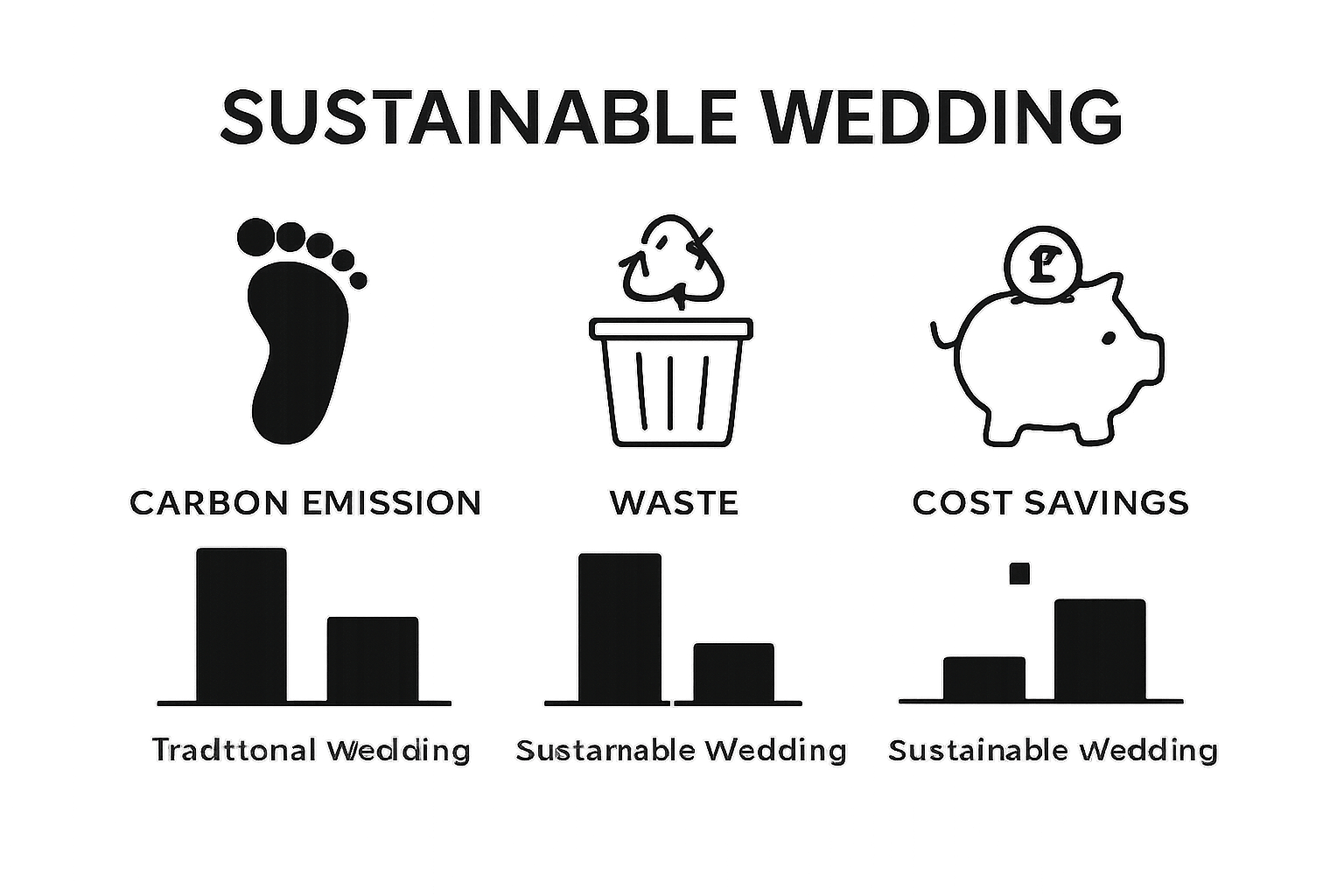
- Reducing greenhouse gas emissions
- Minimising waste generation
- Conserving natural resources
- Promoting circular economy principles
Economic and Social Benefits
Beyond environmental considerations, sustainable event planning offers profound economic and social advantages. Modern consumers increasingly value organisations that demonstrate genuine commitment to sustainability. According to EventMB’s Sustainable Events Report, companies adopting sustainable practices can experience enhanced brand reputation, increased attendee loyalty, and potential cost savings through more efficient resource management.
Long-Term Global Significance
Sustainable event planning represents more than an operational strategy it is a fundamental shift in how we conceptualise and execute gatherings. By integrating sustainable principles, event organisers contribute to broader global sustainability goals, helping to address climate change, promote social equity, and create meaningful experiences that respect both human and environmental well-being. Through conscious choices in venue selection, resource utilisation, and community engagement, sustainable event planning becomes a powerful mechanism for driving positive change across multiple sectors and societal domains.
Key Principles of Sustainable Event Planning
Sustainable event planning is anchored in a comprehensive framework of principles that guide event organisers towards creating environmentally responsible, socially conscious, and economically viable experiences. These principles serve as a strategic roadmap for transforming traditional event management approaches.
Environmental Stewardship and Resource Management
At the core of sustainable event planning lies a commitment to minimising ecological impact. According to the International Standards Organisation, this principle involves holistic strategies that address resource consumption, waste reduction, and carbon footprint mitigation. Key environmental considerations include:
- Implementing comprehensive recycling and waste management programmes
- Selecting venues with green certifications
- Utilising renewable energy sources
- Reducing single-use materials and packaging
Social Responsibility and Inclusivity
Sustainable event planning extends beyond environmental concerns to encompass robust social responsibility frameworks. This principle emphasises creating inclusive, equitable experiences that support local communities and respect diverse stakeholder needs. Ethical practices become central to event design, focusing on:
- Ensuring fair labour practices
- Promoting diversity and accessibility
- Supporting local businesses and economies
- Creating safe and welcoming event environments
Economic Sustainability and Long-Term Value
The final critical principle involves creating economic models that balance financial viability with broader sustainability goals. Sustainable event planning recognises that economic success cannot be divorced from environmental and social considerations. By integrating innovative approaches that prioritise long-term value over short-term gains, event organisers can develop more resilient, adaptive strategies that generate meaningful economic and social impact while maintaining financial integrity.
The following table compares the core principles of sustainable event planning as described in the article, highlighting their main focus and key practical examples.
| Principle | Main Focus | Practical Examples |
|---|---|---|
| Environmental Stewardship and Resource Management | Minimising ecological impact | Recycling programmes, green venues, renewable energy |
| Social Responsibility and Inclusivity | Supporting local communities and inclusivity | Fair labour, local businesses, accessibility, diversity |
| Economic Sustainability and Long-Term Value | Balancing financial viability with sustainability | Cost-efficient resource use, long-term value creation |
How Sustainable Event Practices Enhance Events
Sustainable event practices go far beyond environmental compliance, offering transformative approaches that elevate event experiences, create meaningful connections, and generate substantial value for organisers, attendees, and broader communities. By integrating thoughtful, holistic strategies, events can become powerful platforms for positive change.
Elevating Attendee Experience
Sustainable practices directly enhance the quality and perception of event experiences. Conscious event design creates more engaging, memorable moments that resonate with increasingly environmentally aware audiences. Research from Event Industry Research Institute suggests that attendees now actively seek events demonstrating genuine commitment to sustainability, viewing such initiatives as indicators of organisational integrity and innovation.
- Creating more meaningful, purpose-driven experiences
- Demonstrating organisational values through tangible actions
- Generating positive emotional connections with participants
- Building trust through transparent sustainability commitments
Economic and Reputational Benefits
Implementing sustainable event practices offers significant strategic advantages. Modern brands recognise that sustainability is no longer optional but a critical business imperative. Companies adopting comprehensive sustainable approaches can differentiate themselves, attract forward-thinking clients, and potentially reduce long-term operational costs through more efficient resource management.
Community and Systemic Impact
Sustainable event practices extend their influence beyond immediate event boundaries, creating ripple effects that contribute to broader societal transformation. By prioritising local suppliers, supporting community initiatives, and demonstrating responsible practices, events become catalysts for positive change.
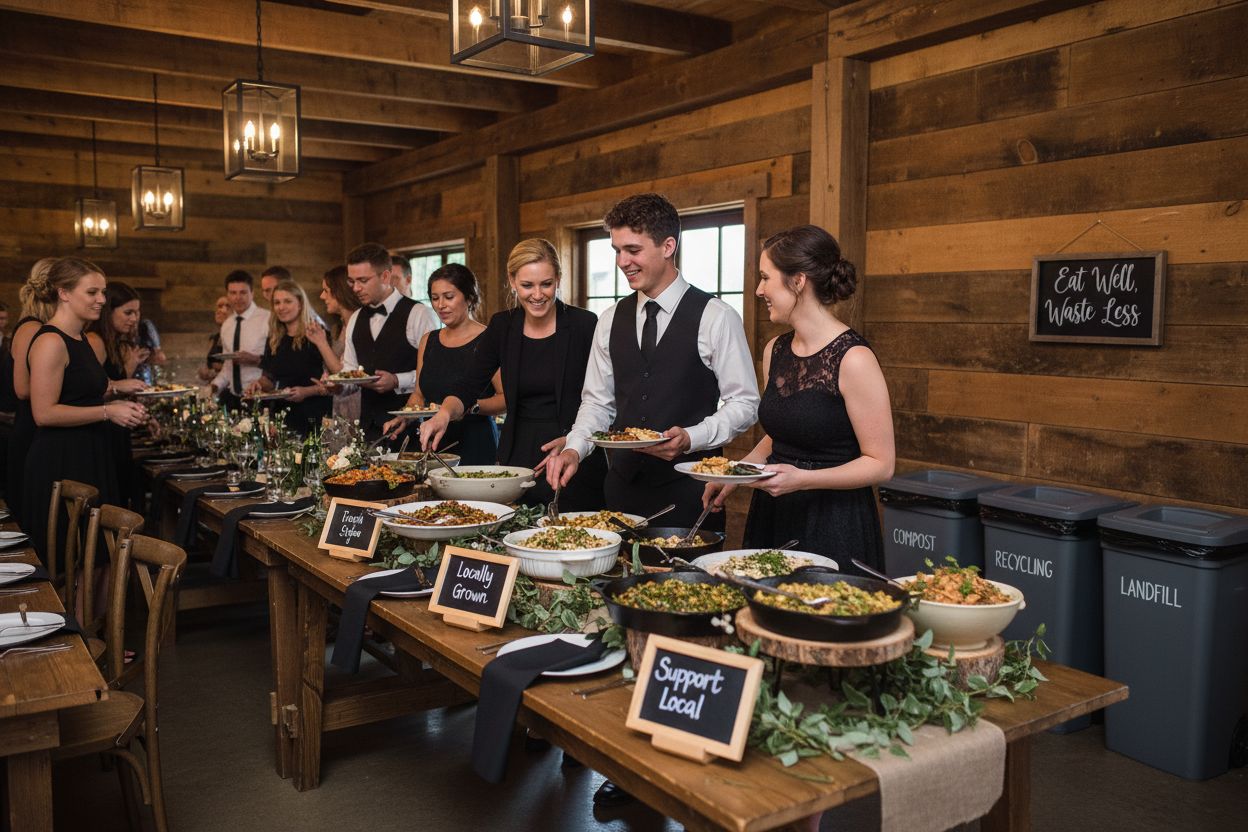 These approaches not only minimise negative environmental impacts but actively generate social and economic value, positioning events as meaningful platforms for collective progress and innovative problem-solving.
This table summarises how sustainable event practices enhance both the quality of events and offer economic or societal benefits, providing concrete examples as mentioned in the article.
| Enhancement Area | Description | Examples from the Article |
|---|---|---|
| Attendee Experience | More meaningful, purpose-driven, and memorable experiences | Engaging moments, positive attendee perceptions |
| Economic and Reputational | Strategic advantages for organisations, cost-efficiency | Brand differentiation, reduced operational costs |
| Community and Systemic Impact | Positive ripple effects supporting societal transformation | Prioritising local suppliers, supporting community initiatives |
Real-World Examples of Sustainable Event Planning
Sustainable event planning transcends theoretical concepts, with numerous organisations demonstrating innovative approaches to creating environmentally responsible and socially conscious gatherings. These real-world examples showcase the practical implementation of sustainability principles across diverse event contexts.
Corporate and Conference Sustainability
Large-scale corporate events are increasingly adopting comprehensive sustainability strategies. According to Global Event Sustainability Report, forward-thinking companies are transforming traditional conference models by implementing holistic green practices. Notable approaches include:
- Utilising digital registration and communication to reduce paper waste
- Selecting venues with green certifications
- Offering plant-based catering options
- Implementing comprehensive recycling and waste management programmes
- Providing carbon offset opportunities for attendee travel
Wedding and Celebration Innovations
Personal celebrations are experiencing a significant shift towards sustainable practices. Couples and event planners are now prioritising eco-friendly approaches that reduce environmental impact while creating meaningful experiences. This involves carefully curated choices such as:
- Selecting locally sourced, seasonal catering options
- Using vintage or rentable decor instead of single-use items
- Choosing venues with natural settings or established sustainability credentials
- Implementing digital invitations and communication
Cultural and Music Festival Transformations
Major cultural events are pioneering radical approaches to sustainable event management. Music festivals, traditionally associated with significant environmental challenges, are now leading sustainable event innovations. By reimagining event infrastructure, waste management, and attendee engagement, these events demonstrate how large-scale gatherings can become platforms for environmental education and positive change.
Turn Sustainable Wedding Planning into a Vibrant Celebration
You want your wedding to reflect both your values and your dreams, but it often feels difficult to balance eco-friendly choices with the lively atmosphere you envision. As discussed above, sustainable event planning means making conscious decisions about waste, local resources and inclusion, creating a celebration that cares for both the planet and your guests. Yet couples often worry that choosing ethical options means compromising on entertainment or energy. It does not have to be this way.
With Calle Habana, you gain more than just a live Latin music band for your special day. Our Wedding Planning Essentials packages are tailored to support your vision of a memorable wedding, blending vibrant live performances with flexible formats that suit all parts of your eco-conscious event. We use our expertise to craft unforgettable moments that engage your guests while supporting local talent and responsible choices. Make your sustainable celebration truly joyful. Explore our wedding essentials today or discuss your unique requirements by reaching out through our contact page. The best time to secure your ideal sustainable entertainment partner is now while dates remain available.
Frequently Asked Questions
What is sustainable event planning for weddings?
Sustainable event planning for weddings involves designing and executing the event in a way that minimises environmental impact and maximises social benefits. This includes using eco-friendly materials, supporting local businesses, and reducing waste.
How can I make my wedding more sustainable?
You can make your wedding sustainable by choosing local and seasonal catering, using vintage or rented decor instead of single-use items, selecting venues with green certifications, and implementing digital invitations to reduce paper waste.
What are some eco-friendly alternatives for wedding decor?
Eco-friendly alternatives for wedding decor include using potted plants or flowers that guests can take home, renting decor items, and choosing natural materials that have a minimal environmental footprint rather than single-use plastic or synthetic items.
Why should I consider sustainable practices for my wedding?
Considering sustainable practices for your wedding not only helps reduce the environmental impact but also creates a meaningful celebration that aligns with values of social responsibility and community support, enhancing the overall experience for you and your guests.
Recommended
- Wedding Planning Essentials | Calle Habana Band
- 9 Quick Tips For Planning A Winter Wedding | Calle Habana Band
- Autumn Wedding Planning Essentials
- 5 Tips To Hiring Local Wedding Planner In Barcelona
- 8 Essential Camping Sustainability Tips for Nature Lovers – Hazli Collection
- Understanding Outdoor Wedding Tips for a Memorable Event – Grand Hour Events


