Event planners make magic from chaos, shaping everything from corporate conferences to private celebrations with precision and flair. Yet far from simply booking venues and sending invitations, they are responsible for coordinating a staggering array of details and managing the whole experience from vision to reality. The real surprise is that their work impacts over 130,000 larger-scale events every year in the US alone, proving these professionals are the hidden architects behind unforgettable moments that linger long after the last guest departs.
Quick Summary
| Takeaway | Explanation |
|---|---|
| Event planners handle all logistics. | They coordinate details from venue selection to budgeting for seamless event execution. |
| Client consultations are essential. | Understanding client goals ensures events align with their vision and expectations. |
| Risk management is key for success. | Anticipating challenges and creating backup plans help events run smoothly, regardless of obstacles. |
| Emphasise creative experience design. | Personalising events and integrating unique themes enhances emotional resonance with participants. |
| Budget optimisation is crucial. | Event planners analyse costs and seek efficient solutions to deliver exceptional experiences within financial limits. |
Defining the Role of an Event Planner
Event planners are specialised professionals responsible for conceptualising, designing, and executing events ranging from corporate conferences to private celebrations. According to the U.S. Bureau of Labor Statistics, these professionals coordinate comprehensive event logistics, ensuring seamless experiences that meet clients’ specific objectives and expectations.
Core Professional Responsibilities
The role of an event planner encompasses a multifaceted approach to creating memorable experiences. Their responsibilities extend far beyond simple scheduling, involving intricate planning, strategic coordination, and meticulous execution. Event planners serve as the central architects of events, transforming abstract concepts into tangible, engaging experiences.
Key responsibilities include:
- Conducting initial client consultations to understand event goals and vision
- Developing comprehensive event budgets and financial management
- Selecting and negotiating with venues, vendors, and service providers
- Creating detailed event timelines and contingency plans
- Managing guest lists, invitations, and registration processes
Strategic Event Management Skills
Successful event planners possess a unique blend of creative vision and analytical skills. They must simultaneously manage creative design elements while maintaining strict financial and logistical parameters. Effective communication, negotiation, and problem solving are critical competencies that distinguish exceptional event planners.
These professionals must demonstrate proficiency in:
The following table summarises key skills and responsibilities essential for professional event planners, providing a quick reference to the diverse competencies highlighted throughout the section.
| Skill/Responsibility | Description |
|---|---|
| Client Consultations | Understanding client objectives and visions for the event |
| Budget Development and Management | Creating, tracking, and optimising financial plans |
| Vendor and Venue Negotiation | Selecting and securing suitable venues and coordinating suppliers |
| Creative Design and Aesthetic Planning | Crafting themes and designing event atmosphere |
| Timeline Creation and Scheduling | Developing detailed event schedules and contingency plans |
| Guest Management | Handling guest lists, invitations, and registrations |
| Risk Management and Problem Solving | Anticipating challenges and preparing backup plans |
| Technology Integration | Using event management tools for tracking and coordination |
- Budget tracking and financial forecasting
- Creative design and aesthetic planning
- Client relationship management
- Vendor and supplier coordination
- Technology integration for event management
By understanding client needs, anticipating potential challenges, and delivering polished experiences, event planners transform ordinary gatherings into extraordinary moments that resonate with participants long after the event concludes.
Importance of an Event Planner in Celebrations
Event planners play a critical role in transforming ordinary gatherings into extraordinary experiences. Research from the University of Massachusetts Amherst underscores their significance in strategic event management, highlighting how these professionals elevate celebrations through meticulous planning and creative execution.
Stress Reduction and Professional Management
Celebrations inherently involve complex emotional and logistical dynamics. Event planners serve as professional mediators who alleviate the overwhelming stress associated with organizing significant social gatherings. By managing intricate details, they allow hosts and participants to fully immerse themselves in the celebratory experience without becoming entangled in administrative complexities.
Key stress reduction benefits include:
- Comprehensive vendor coordination
- Budget management and financial tracking
- Contingency planning for unexpected scenarios
- Technical and logistical problem solving
- Seamless event flow management
Creating Memorable Experiences
Beyond logistical management, event planners are experience architects who craft memorable moments. Their expertise transforms standard gatherings into personalised, emotionally resonant celebrations that reflect the unique essence of the occasion. Professional event planners understand that successful events are not just about executing plans, but about creating lasting memories.
Critical experience enhancement strategies include:
- Personalising event themes and aesthetics
- Designing interactive guest experiences
- Integrating meaningful cultural or personal elements
- Ensuring smooth transitions between event segments
- Capturing and preserving event moments
By combining professional expertise with creative vision, event planners elevate celebrations from mere gatherings to extraordinary, unforgettable experiences that participants will cherish for years to come.
This table highlights the differences in focus between event planners’ logistical management roles and their experience design responsibilities, clarifying how their expertise extends beyond administration.
| Aspect of Role | Logistical Management | Experience Design |
|---|---|---|
| Main Focus | Organisation, scheduling, budget tracking | Creativity, personalisation, emotional engagement |
| Key Activities | Coordination of vendors, venues, and timelines | Thematic planning, interactive guest experiences |
| Outcome | Seamless, efficient event execution | Memorable, personalised, emotionally resonant celebrations |
| Example Strategies | Contingency planning, technical problem solving | Integrating cultural details, designing transitions |
| Benefit to Hosts/Guests | Reduces stress, frees host from administrative tasks | Ensures lasting positive memories for all participants |

Key Responsibilities of Event Planners
Event planners shoulder comprehensive responsibilities that extend well beyond simple event coordination. The University of New Mexico highlights the multifaceted nature of their professional role, emphasising strategic planning, administrative management, and creative problem solving across various event types.
Strategic Planning and Client Engagement
Effective event planning begins with deep client understanding. Professionals must conduct thorough initial consultations to comprehensively capture event objectives, audience expectations, and specific vision requirements. This foundational stage involves extensive communication and meticulous documentation to ensure alignment between client desires and practical implementation.
Key strategic planning responsibilities include:
- Conducting comprehensive client needs assessments
- Developing detailed event design proposals
- Creating precise budgetary frameworks
- Establishing clear event timeline milestones
- Identifying potential logistical challenges
Operational Coordination and Vendor Management
Event planners function as central coordinators who synchronise multiple complex elements. Their role requires exceptional organisational skills and robust communication networks to manage diverse stakeholders effectively. From venue selection to vendor negotiations, they ensure every event component operates harmoniously.
Critical operational coordination tasks involve:
- Researching and selecting appropriate event venues
- Negotiating contracts with service providers
- Managing technical equipment and resource requirements
- Coordinating transportation and accommodation logistics
- Implementing robust risk management strategies
By integrating strategic vision with meticulous operational execution, event planners transform conceptual event ideas into seamless, memorable experiences that exceed client expectations.
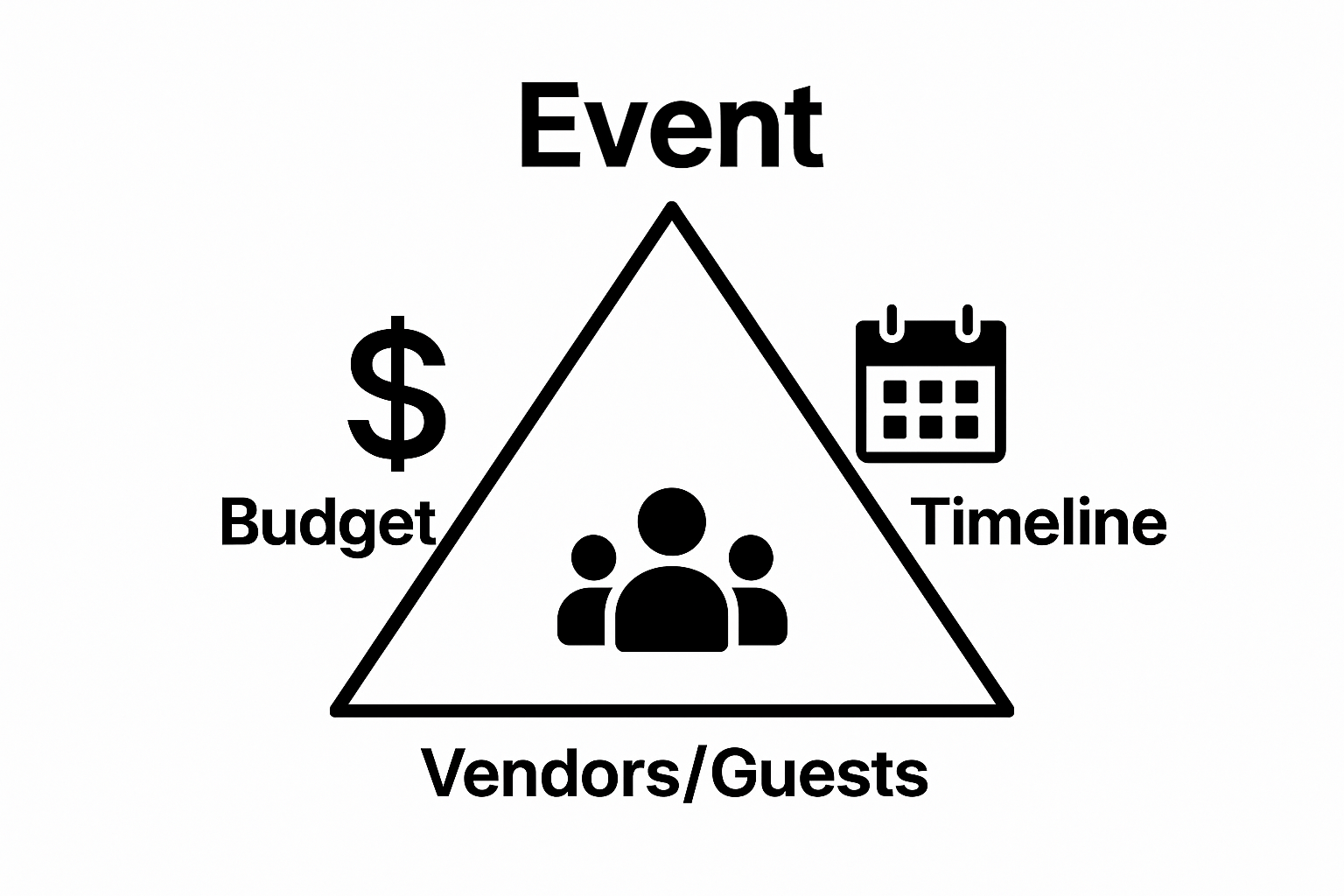
How Event Planners Enhance the Planning Process
Research from the National Institutes of Health demonstrates the profound impact event planners have on transforming complex event preparation into seamless, strategic experiences. These professionals introduce systematic approaches that elevate event planning from simple coordination to sophisticated project management.
Strategic Resource Optimization
Event planners excel at maximising limited resources through intelligent allocation and strategic planning. They meticulously analyse budgetary constraints, identifying innovative solutions that deliver exceptional experiences without unnecessary expenditure. Their expertise allows clients to achieve ambitious event goals while maintaining financial prudence.
Key resource optimization strategies include:
- Conducting comprehensive budget analysis
- Identifying cost effective vendor alternatives
- Negotiating competitive pricing and package deals
- Implementing efficient resource allocation techniques
- Developing flexible financial contingency plans
Risk Management and Problem Prevention
Professional event planners function as proactive risk managers, anticipating potential challenges before they emerge. Their systematic approach transforms potential obstacles into manageable contingencies. By developing comprehensive backup plans and maintaining flexible strategic frameworks, they ensure events proceed smoothly regardless of unexpected complications.
Critical risk management approaches involve:
- Developing detailed scenario planning
- Creating comprehensive emergency response protocols
- Implementing robust communication cascades
- Establishing real time problem solving mechanisms
- Maintaining extensive professional networks for rapid support
Through their multifaceted expertise, event planners convert complex logistical challenges into streamlined, successful experiences that exceed client expectations and create memorable moments.
Transform Your Event Vision Into a Live Experience
You have just explored how professional event planners expertly carry the burden of intricate logistics, guest management, and creative design to deliver beautifully seamless celebrations. Yet, many hosts still face the challenge of creating a truly unforgettable atmosphere that captures the essence of their occasion. Bringing your vision to life involves more than strategic planning and budget management—it requires delivering a high-energy experience that every guest will remember with joy.
At Calle Habana, we complement your event planner’s expertise with vibrant live Latin music performances designed to elevate weddings and special occasions. Our specialist acts, including Cuban trios, live bands, and DJ sets, can be tailored for every stage of your event, ensuring your celebrations are both well-orchestrated and filled with unmissable moments. For corporate gatherings that demand memorable entertainment, you can discover our corporate event music solutions. Ready to turn careful planning into an electrifying reality? Connect with us today at Calle Habana Contact to secure your date and see how we help make every detail shine.
Frequently Asked Questions
What are the primary responsibilities of an event planner?
Event planners are responsible for conceptualising, designing, and executing events. Their duties include client consultations, budget development, vendor negotiation, timeline creation, and managing guest lists and registrations.
How do event planners help reduce stress during celebrations?
Event planners alleviate stress by managing complex logistics, coordinating vendors, handling budget tracking, and implementing contingency plans. This allows hosts to enjoy the celebration without being burdened by details.
What skills are essential for a successful event planner?
Successful event planners should possess strong communication, negotiation, and problem-solving skills. They must also be proficient in budget management, creative design, vendor coordination, and technology integration for event management.
How can event planners create memorable experiences for attendees?
Event planners enhance experiences by personalising event themes, designing interactive guest activities, integrating cultural elements, ensuring smooth transitions, and capturing event moments to create lasting memories.
Recommended
- The Ultimate Guide To Branding Your Event For Lasting Impact
- 5 Tips To Hiring Local Wedding Planner In Barcelona
- Understanding Event Marketing Best Practices
- How To Plan A Reception: An Inspiring Step-by-Step Guide For 2026
- What Does a Wedding Planner Do? Understanding Their Role – Grand Hour Events
- The Best Time to Study an Event Management Degree? 6 Reasons it’s NOW