

Choosing music for wedding ceremony in Spain can feel overwhelming with so many breathtaking options. Traditional Spanish sounds like Flamenco and Jota have thrilled crowds for centuries, and now couples are blending them with everything from pop to salsa. But here is what many do not consider. Over 60 percent of Spanish weddings now mix live bands and recorded playlists for the perfect emotional flow. This unexpected combination can turn a simple ceremony into an unforgettably personal soundtrack.
Table of Contents
- Popular Music Styles For Music for Wedding Ceremony in Spain
- Choosing Between Live Bands And Recorded Music
- Incorporating Latin Music for a Unique Touch
- Planning The Ceremony Music Timeline Step by Step
Quick Summary
| Takeaway | Explanation |
|---|---|
| Choose traditional styles for authenticity | Incorporate traditional Spanish music like Flamenco or Jota to enhance cultural significance and emotional depth during the ceremony. |
| Consider live music for engagement | Live bands create a dynamic experience that adapts to the ceremony’s mood, providing an authentic atmosphere that recorded music cannot replicate. |
| Explore Latin music for vibrancy | Integrating diverse Latin genres can elevate the energy and emotional resonance, making the celebration more memorable and culturally rich. |
| Plan a strategic music timeline | A well-structured musical timeline enhances the emotional flow of the ceremony, making each segment feel intentional and cohesive for guests. |
| Decide between live and recorded music wisely | Weigh the benefits of live versus recorded music based on venue, budget, and personal style to create the desired atmosphere for your wedding. |
Popular Music Styles for Wedding Ceremonies in Spain
Choosing the perfect music for wedding ceremony in Spain involves understanding the rich and diverse musical traditions that reflect the country’s vibrant cultural heritage. Spanish wedding music blends traditional styles with contemporary sounds, offering couples a remarkable range of options to create a truly memorable celebration.
Traditional Spanish Musical Styles
Spain’s musical landscape is incredibly diverse, with each region contributing unique musical expressions. Explore the essential Spanish dance traditions to understand the depth of musical possibilities for your wedding ceremony. Traditional styles like Flamenco, Jota, and Pasodoble represent more than just music – they are living cultural narratives that can transform a wedding into an extraordinary experience.
Flamenco, originating from Andalusia, is perhaps the most internationally recognized Spanish musical style. Characterized by passionate guitar rhythms, intense vocal expressions, and intricate dance movements, Flamenco brings raw emotional power to wedding ceremonies. Its complex musical structure, featuring intricate guitar techniques and powerful vocal improvisations called “jaleo”, can create a deeply moving atmosphere during key ceremony moments.
The Jota, another traditional style from Aragon, offers a contrasting musical experience. Typically performed with lively tempos and accompanied by castanets, Jota represents celebration and joy. Its upbeat nature makes it particularly suitable for wedding receptions, where couples want to encourage dancing and create a festive environment.
Contemporary Wedding Music Approaches
Modern Spanish wedding ceremonies increasingly blend traditional styles with contemporary musical approaches. Many couples opt for versatile musical ensembles that can seamlessly transition between classical Spanish sounds and popular international genres. This approach allows for a personalized musical journey that reflects both cultural roots and individual preferences.
According to research on Spanish wedding music trends, contemporary musicians are creating innovative fusions that honor traditional forms while appealing to modern tastes. String quartets might incorporate Flamenco-inspired rhythms, while acoustic performers blend classical Spanish guitar techniques with contemporary pop arrangements.
Couples planning their wedding in Spain should consider the venue, time of day, and overall wedding theme when selecting musical styles. A sunset ceremony in a historic courtyard might call for traditional Flamenco guitarists, while an evening reception could feature a versatile band capable of performing everything from Pasodoble to current chart hits.
Regional Musical Variations
Each Spanish region offers unique musical traditions that can be incorporated into wedding ceremonies. Catalonian weddings might feature traditional sardana music, while Galician ceremonies could include Celtic-influenced bagpipe performances. These regional variations provide an opportunity to create a truly personalized musical experience that reflects local cultural identities.
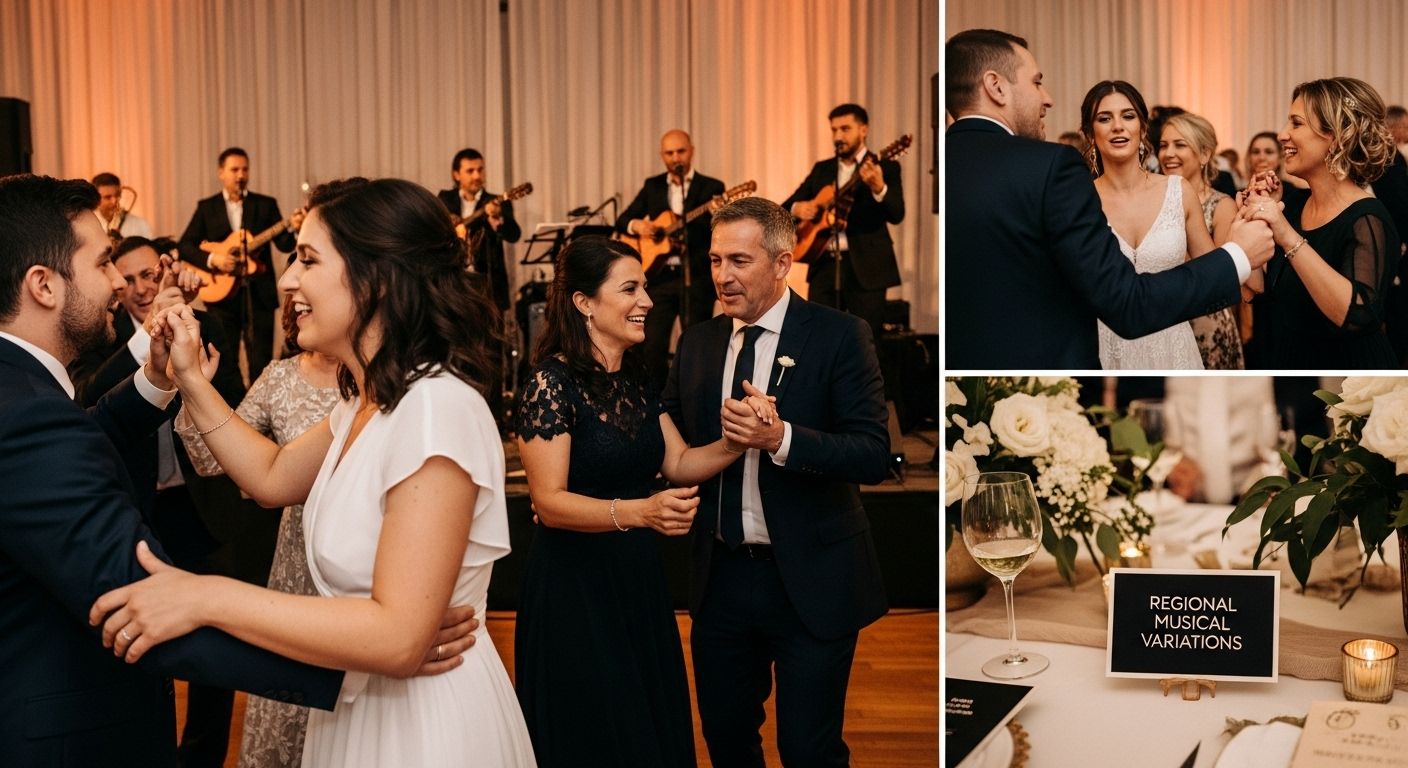
Ultimately, selecting music for a Spanish wedding ceremony is about creating an emotional narrative that celebrates love, tradition, and personal style. Whether choosing deeply traditional performances or modern musical interpretations, couples can craft a musical experience that resonates with their unique love story and cultural background.
Choosing Between Live Bands and Recorded Music
Selecting the right music for wedding ceremony in Spain involves carefully weighing the merits of live bands versus recorded music. This decision can significantly impact the overall atmosphere, emotional resonance, and guest experience of your special day.
The Unique Appeal of Live Musical Performances
Live bands bring an unparalleled energy and authenticity to wedding ceremonies. According to music performance experts, live music offers a dynamic and emotionally engaging experience that recorded tracks simply cannot replicate. Professional musicians can adapt in real-time, responding to the ceremony’s mood and making each moment feel truly unique.
In the Spanish wedding context, live bands provide an opportunity to showcase traditional musical styles like Flamenco, Jota, or Pasodoble with genuine passion and technical expertise. Read more about our approach to live wedding music, where musicians can create a personalized musical journey that reflects the couple’s individual story and cultural background.
Live performances also offer visual appeal. The presence of musicians adds a theatrical element to the ceremony, creating memorable moments that photographs and recordings cannot fully capture. Guests can witness the skill and emotion of performers, adding an extra layer of entertainment to the wedding celebration.
Advantages Of Recorded Music
Recorded music presents its own set of compelling advantages for wedding ceremonies. According to research on wedding music trends, pre-recorded tracks provide consistent sound quality, precise timing, and access to a broader range of musical selections that might be challenging to perform live.
For couples working within budget constraints, recorded music offers a more cost-effective solution. Professional sound systems can deliver high-quality audio that fills the venue, ensuring every guest can hear the carefully selected music. Digital playlists also allow for meticulous pre-ceremony planning, with exact song selections and precise timing.
Hybrid Approaches and Considerations
To help you compare the main options for music at a Spanish wedding ceremony, here is a table summarising the key differences, advantages, and considerations of live bands, recorded music, and hybrid approaches:
| Approach | Advantages | Considerations |
|---|---|---|
| Live Bands | Authentic atmosphere, adaptable to ceremony mood, visual appeal, showcases traditional styles | Higher cost, requires suitable venue/acoustics |
| Recorded Music | Consistent quality, wider music selection, budget-friendly, precise timing | Lacks live energy, less emotional spontaneity |
| Hybrid Approach | Combines both benefits, flexible, tailored experience | Requires more planning, coordination needed |
Many modern Spanish weddings are exploring hybrid musical approaches that combine the best of live and recorded music. This might involve having live musicians perform during key ceremony moments, supplemented by carefully curated recorded tracks during other phases of the celebration.
When making this decision, couples should consider several factors:
- Venue acoustics and size
- Budget constraints
- Musical style preferences
- Ceremony and reception timeline
- Personal emotional connection to music
Some venues might have technical limitations that make live performances challenging, while others are perfectly designed for acoustic musical experiences. The time of day, outdoor or indoor setting, and overall wedding theme can also influence the musical choice.
Ultimately, the choice between live bands and recorded music is deeply personal. Whether you opt for the raw emotional power of live musicians or the precision of carefully selected recordings, the goal remains the same: creating a musical backdrop that celebrates your love and reflects your unique relationship.
Spanish weddings are renowned for their passion, energy, and celebration of cultural traditions. By thoughtfully selecting your musical accompaniment, you can ensure that your music for wedding ceremony becomes an unforgettable experience that resonates with both you and your guests.
Incorporating Latin Music for a Unique Touch
Latin music offers an extraordinary opportunity to infuse wedding ceremonies with vibrant energy, emotional depth, and cultural richness. By incorporating diverse Latin musical styles, couples can create a memorable and dynamic celebration that transcends traditional musical boundaries.
Exploring Latin Musical Diversity
Latin music represents a complex and varied musical landscape, encompassing numerous styles that can transform a wedding ceremony. Discover the magic of romantic Latin wedding music to understand the profound emotional potential these genres offer. From salsa’s passionate rhythms to bachata’s romantic melodies, each style brings a unique character that can elevate the wedding experience.
According to research on Latin American wedding music, these musical traditions are not just entertainment but powerful cultural expressions. Salsa, with its Afro-Cuban roots, represents joy and community celebration. Merengue offers infectious rhythms that encourage dancing, while bachata provides intimate, romantic soundscapes perfect for tender moments during wedding ceremonies.
Strategic Musical Integration
Incorporating Latin music requires thoughtful planning and understanding of different musical styles. Professional musicians can help couples navigate these choices, creating seamless transitions between traditional Spanish sounds and Latin American genres. Consider the following approaches:
- Ceremony Entrance: Use a gentle bolero or romantic Cuban son to create an emotional atmosphere
- First Dance: Select a passionate salsa or bachata track that reflects the couple’s personal story
- Reception Transitions: Blend different Latin styles to maintain energy and encourage guest participation
The key is creating a musical journey that feels authentic and personal. Some couples might choose to start with traditional Spanish sounds and gradually introduce Latin rhythms, while others prefer a more immediate and vibrant musical fusion.
Cultural Significance and Emotional Resonance
Latin music goes beyond mere entertainment it represents a profound cultural narrative. Exploring essential Spanish dance traditions reveals how music connects generations and celebrates shared heritage. Each musical style carries historical and emotional significance, transforming a wedding from a simple ceremony into a rich cultural experience.
Consider the emotional landscape of different Latin musical styles. Salsa represents celebration and community, bachata embodies romantic intimacy, and rumba captures raw emotional expression. By carefully selecting these genres, couples can craft a musical narrative that reflects their personal journey and cultural background.
Technical considerations are equally important. Professional musicians understand the nuanced rhythms and performance techniques required to authentically represent these musical styles. They can provide guidance on instrument selection, vocal techniques, and musical arrangements that honor the cultural integrity of each genre.
Ultimately, incorporating Latin music into a wedding ceremony is about creating a deeply personal and emotionally resonant experience. It is an invitation to celebrate love through the universal language of music, bridging cultural traditions and personal narratives in a harmonious, unforgettable celebration.
Planning the Ceremony Music Timeline Step by Step
Creating a meticulously planned musical timeline is crucial for ensuring a seamless and emotionally resonant wedding ceremony in Spain. This strategic approach transforms music from a background element into a powerful narrative that guides guests through the emotional journey of your special day.
Prelude: Setting the Emotional Atmosphere
Explore the intricacies of wedding ceremony music to understand how each musical moment contributes to the overall experience. The prelude typically begins 30 minutes before the ceremony, serving as an essential emotional preparation for guests. According to The Knot’s comprehensive wedding music guide, this period should feature soft, welcoming music that creates a warm and anticipatory atmosphere.
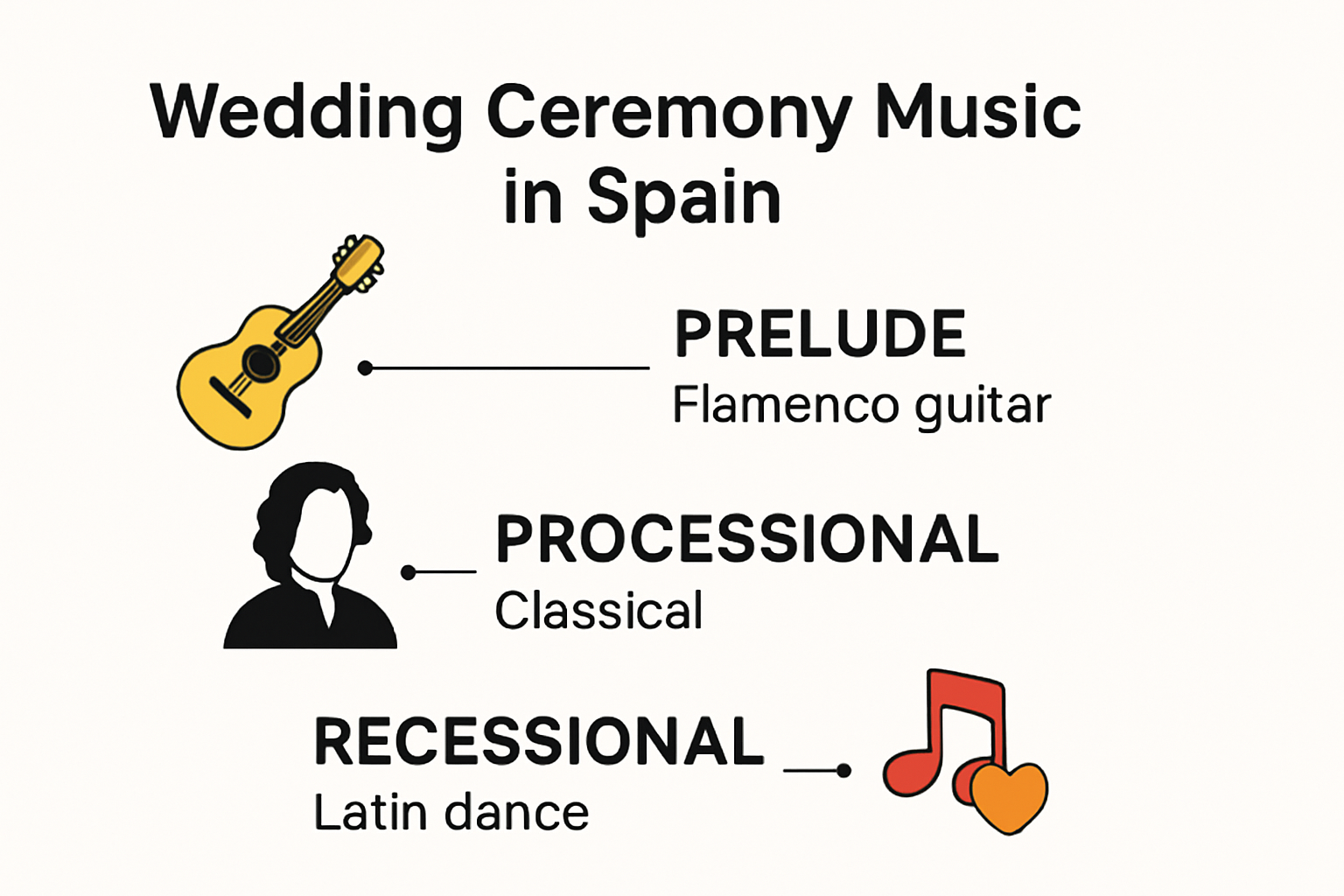
In the Spanish wedding context, consider traditional acoustic guitar pieces or gentle classical Spanish compositions. Musicians might perform subtle instrumental versions of romantic Spanish ballads, creating a sophisticated and inviting ambiance. The key is to select music that feels elegant and understated, encouraging guests to settle into the ceremony space while building emotional anticipation.
Processional: Crafting Musical Moments of Transition
The processional represents the most critical musical segment of the ceremony, marking significant emotional transitions. According to Music Remembrance’s wedding music planner, different family members and wedding party participants often require distinct musical accompaniments.
Typical processional music segments include:
- Grandparents and Parents: Soft, dignified musical selections
- Wedding Party: Slightly more dynamic, energetic pieces
- Bride’s Entrance: Most dramatic and emotionally charged musical moment
In Spanish weddings, couples often blend traditional classical music with contemporary or cultural selections. A flamenco-inspired guitar piece might accompany the wedding party, while a romantic Spanish classical composition could underscore the bride’s entrance. The goal is to create a musical narrative that feels both personal and culturally authentic.
Recessional and Celebration: Transitioning to Joy
Below is a table outlining each key step of the wedding ceremony music timeline in Spain, including the purpose and typical musical styles or features for each segment:
| Ceremony Stage | Purpose/Emotion | Typical Musical Style or Features |
|---|---|---|
| Prelude | Set welcoming, anticipatory atmosphere | Soft Spanish guitar, classical ballads, instrumental |
| Processional | Mark transitions; highlight entrances | Flamenco guitar, classical Spanish compositions |
| Recessional | Uplifting, celebratory tone; end ceremony | Lively salsa, rumba, Spanish pop, upbeat styles |
The recessional marks the ceremony’s triumphant conclusion, transitioning from solemnity to celebration. This musical moment should be vibrant, uplifting, and reflective of the couple’s personality. Professional musicians understand the importance of selecting pieces that generate immediate excitement and encourage guest participation.
Consider incorporating lively Latin or Spanish musical styles during this segment. Salsa, rumba, or energetic Spanish pop music can transform the emotional landscape, signaling the transition from ceremony to celebration. The music should feel like a jubilant declaration of love, inviting guests to prepare for the reception’s festivities.
Technical considerations are paramount. Work closely with musicians to ensure precise timing, understanding how many bars of music correspond to different ceremony segments. Professional ensembles can provide expert guidance on creating smooth musical transitions that feel natural and unforced.
Planning your ceremony’s musical timeline is an art form that requires careful consideration of emotional progression, cultural context, and personal storytelling. By thoughtfully selecting music for wedding ceremony for each segment, you transform a series of moments into a cohesive, unforgettable experience that resonates with you and your guests.
Frequently Asked Questions
What music styles are popular for wedding ceremonies in Spain?
Popular styles include traditional Spanish music such as Flamenco and Jota, as well as contemporary genres like pop and salsa. Couples often blend these styles to create a unique and memorable experience.
Should I choose live music or recorded music for my wedding ceremony?
Choosing live music adds authenticity and a dynamic atmosphere, allowing musicians to adapt to the ceremony’s mood. Recorded music offers consistent quality and a wider selection of songs, often being more budget-friendly. A hybrid approach that combines both can also be effective.
How can I incorporate Latin music into my wedding ceremony?
Latin music can be integrated by selecting genres such as salsa or bachata, which can enhance the emotional depth and energy of the ceremony. Consider using romantic Latin songs for special moments like the first dance or reception transitions.
What should I consider when planning the music timeline for my wedding ceremony?
When planning your music timeline, consider the emotional atmosphere for each segment, such as the prelude, processional, and recessional. Choose music that aligns with each moment to create a cohesive and engaging experience for your guests.
What is the best music for wedding ceremony in Spain?
The best option balances your venue acoustics, cultural preferences, and the moments you want to highlight. Many couples choose a hybrid plan with a live guitarist or trio for key entrances and a curated playlist for transitions.
Bring Your Spanish Wedding Ceremony to Life with Authentic Music
Choosing music for your wedding in Spain can often lead to uncertainty. How can you create an emotional ceremony with authentic style while managing the challenge of blending live tradition with modern energy? The article highlighted the importance of curating moments that reflect your personal story through Spanish and Latin influences, but it can be difficult to source passionate live musicians who truly understand the atmosphere you imagine.
Let Calle Habana turn your vision into an unforgettable celebration. Our Wedding Music options let you select from salsa, flamenco, Cuban trios and more, crafted to fit each wedding phase from the ceremony to the reception. Our expertise ensures you do not need to compromise on style or emotion. For couples searching specifically for music for wedding ceremony, explore our curated ideas and sample setlists here: wedding ceremony package. Make your dream real by reaching out through our contact page for a tailored consultation and a quote.


