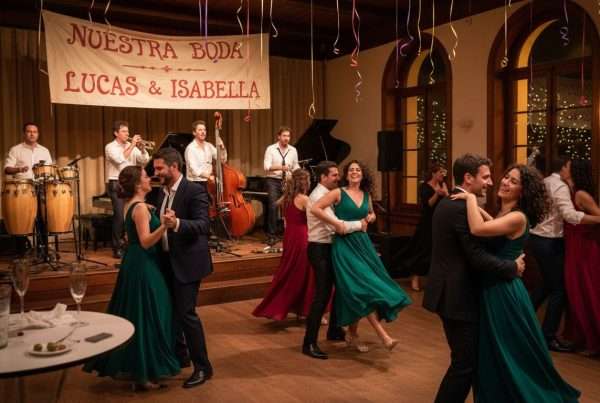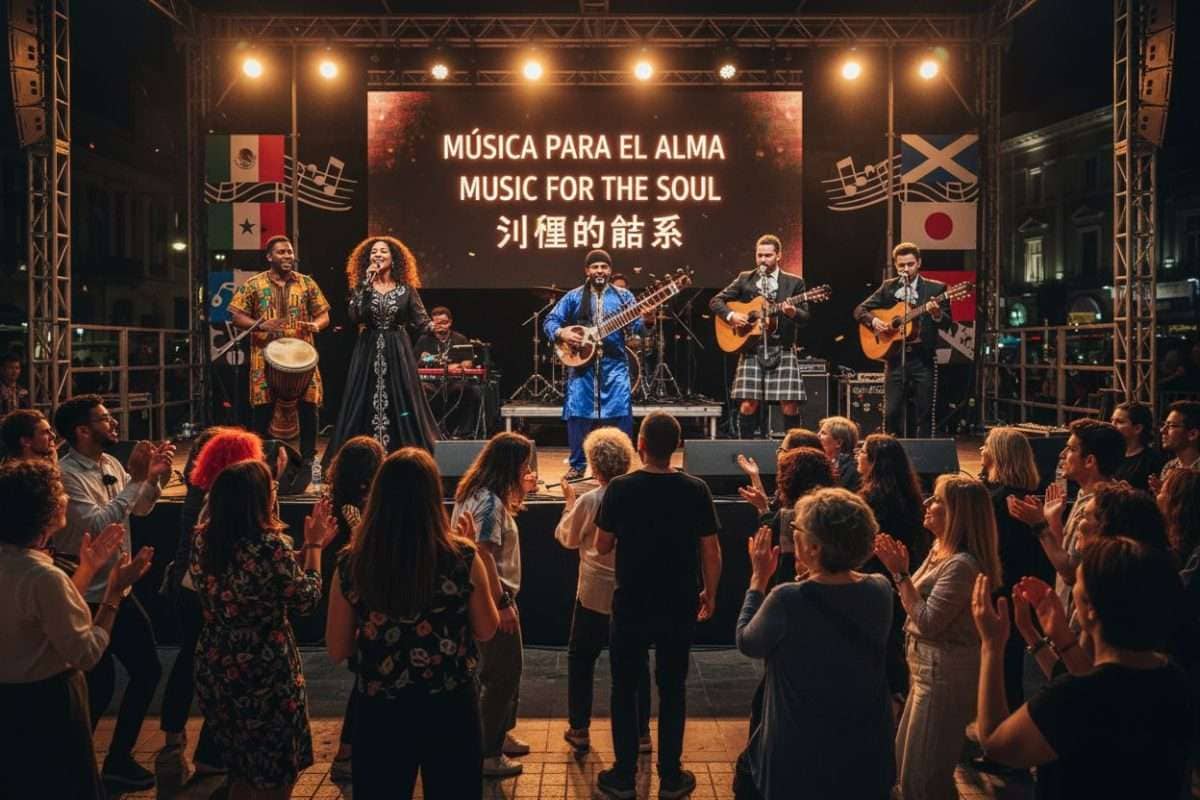
Did you know over 70 percent of live music fans say songs in multiple languages help them connect with new cultures? Multilingual music performances are transforming the concert scene by blending languages, rhythms, and traditions into one unforgettable show. Audiences from every background find themselves nodding along to familiar and unfamiliar words, discovering the magic that happens when music becomes a bridge across cultures and languages.
Key Takeaways
| Point | Details |
|---|---|
| Celebration of Diversity | Multilingual music performances create rich experiences by integrating multiple languages, showcasing cultural authenticity and fostering connections between diverse audiences. |
| Audience Engagement | These performances transform passive listening into active participation, encouraging emotional connections and cultural dialogues among listeners. |
| Customization Importance | Successful multilingual acts require thoughtful planning and cultural sensitivity, ensuring that language choices enhance the overall musical experience. |
| Overcoming Challenges | Addressing linguistic and emotional challenges is crucial, necessitating collaboration with native speakers and employing innovative techniques for effective communication. |
Defining Multilingual Music Performances
Multilingual music performances represent a vibrant and dynamic approach to live entertainment that transcends traditional linguistic boundaries. These musical experiences blend multiple languages, cultures, and musical styles to create immersive, engaging performances that connect with diverse audiences. As the Multilingual Performance Project highlights, such performances are not just about showcasing different languages, but about creating innovative, culturally rich experiences that celebrate linguistic diversity.
At its core, multilingual music involves performers who seamlessly integrate two or more languages into their musical presentations. This might mean singing verses in Spanish and English, incorporating rhythmic spoken word in Portuguese, or using musical arrangements that reflect multiple cultural traditions. These performances go beyond simple translation, transforming music into a powerful form of cross-cultural communication.
Key characteristics of multilingual music performances include:
- Seamless language integration
- Cultural authenticity and respect
- Dynamic musical arrangements
- Audience engagement across linguistic backgrounds
- Celebration of cultural diversity
Research from The Journal of Translation Studies suggests that music itself can be considered a form of translation, bridging cultural and linguistic gaps. In the context of live performances, multilingual music becomes a unique art form that allows audiences to experience multiple cultural narratives simultaneously, creating a rich, immersive entertainment experience that resonates far beyond traditional linguistic barriers.
Popular Formats and Language Combinations
Multilingual music performances encompass a wide range of formats and language combinations that reflect the rich cultural diversity of global musical traditions. According to research on Multilingual Bands and Artists, musicians have been creatively blending languages in their performances for decades, creating unique and compelling musical experiences.
One fascinating format is the macaronic song, a traditional style where lyrics seamlessly incorporate multiple languages within the same composition. As noted in research from Wikipedia, this approach has historical precedents in cultural traditions like Irish-English and Yiddish-Ukrainian musical expressions. These songs are not merely translations but intricate linguistic tapestries that celebrate cross-cultural communication.
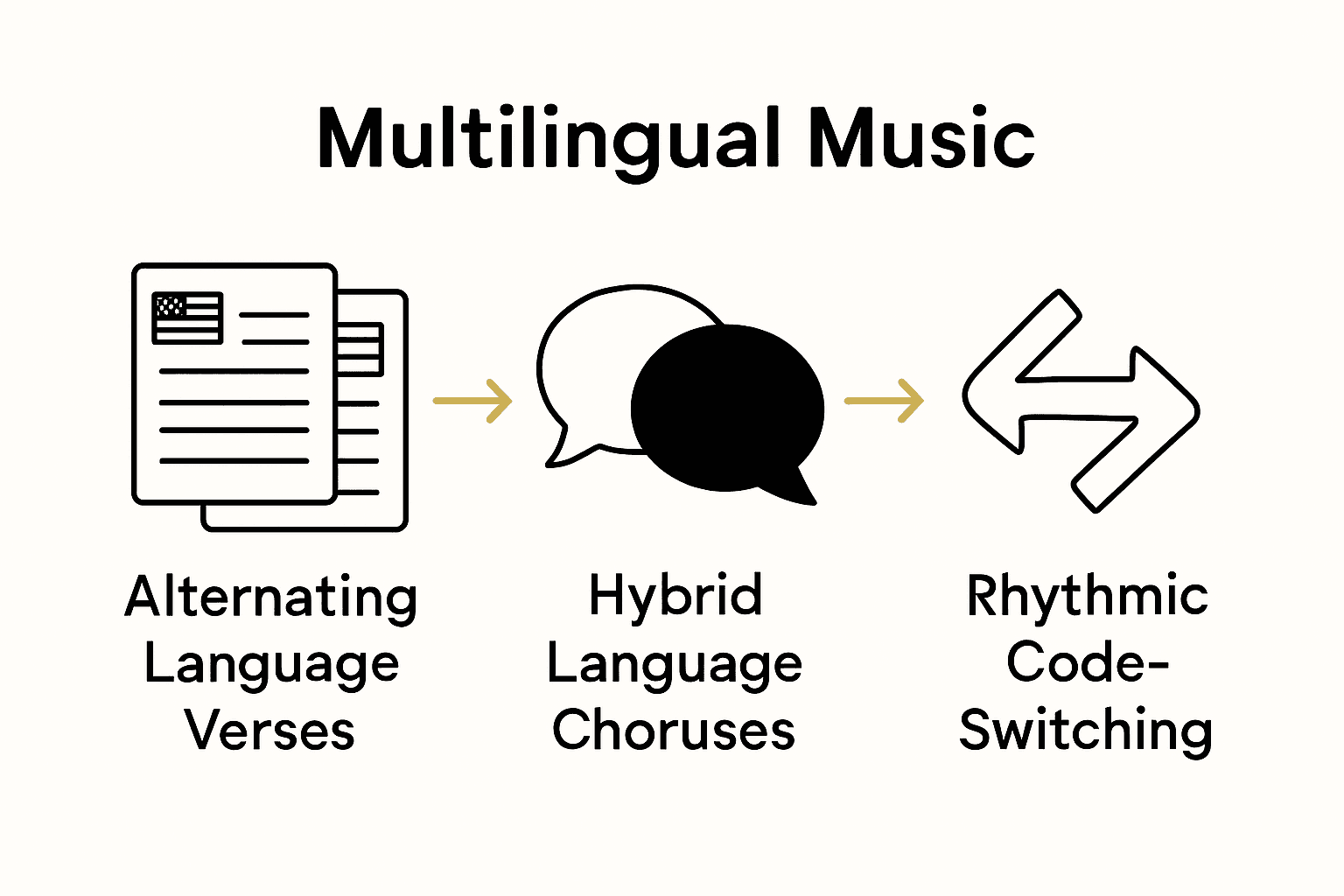
Popular multilingual performance formats include:
Here’s a comparison of popular multilingual performance formats and their main characteristics:
| Format | Language Use | Key Features |
|---|---|---|
| Alternating language verses | Two or more, by verse | Clear verse shifts Distinct narratives |
| Hybrid language choruses | Blended within chorus | Catchy hook Combined linguistic identity |
| Spoken word interludes | Different languages, spoken | Dramatic effect Cultural context |
| Rhythmic code-switching | Switch within lines | Fast transitions Showcases fluency |
| International collaborations | Multiple artists’ languages | Fusion of styles Global appeal |
- Alternating language verses
- Hybrid language choruses
- Spoken word interludes in different languages
- Rhythmic code-switching
- Collaborative international musical arrangements
Language combinations often reflect cultural connections, historical relationships, and regional proximities. For instance, performers might blend Spanish and Portuguese, English and French, or Arabic and Turkish, creating musical narratives that transcend traditional linguistic boundaries and invite audiences into a more nuanced, interconnected musical experience.
Cultural Impact and Audience Engagement
Multilingual music performances have emerged as powerful catalysts for cultural understanding and connection, transforming traditional musical experiences into dynamic, inclusive encounters. Research from European Music Festival Studies highlights how these performances break down linguistic barriers, creating shared emotional experiences that transcend traditional communication boundaries.
At the heart of multilingual music engagement is the ability to create profound connections between diverse audience groups. When performers seamlessly navigate multiple languages, they invite listeners into a more nuanced cultural dialogue. This approach goes beyond mere entertainment, becoming a form of social bridging that celebrates linguistic diversity and cultural complexity.
Key aspects of cultural impact include:
- Breaking down cultural stereotypes
- Promoting linguistic curiosity
- Creating shared emotional experiences
- Representing multicultural identities
- Challenging traditional performance norms
Audience engagement in multilingual performances is particularly powerful because it transforms passive listening into an active, participatory experience. Listeners are challenged to pay closer attention, decode linguistic nuances, and connect with the music on multiple sensory and intellectual levels. This approach not only entertains but also educates, allowing audiences to explore different cultural perspectives through the universal language of music.
Planning and Customizing Multilingual Acts
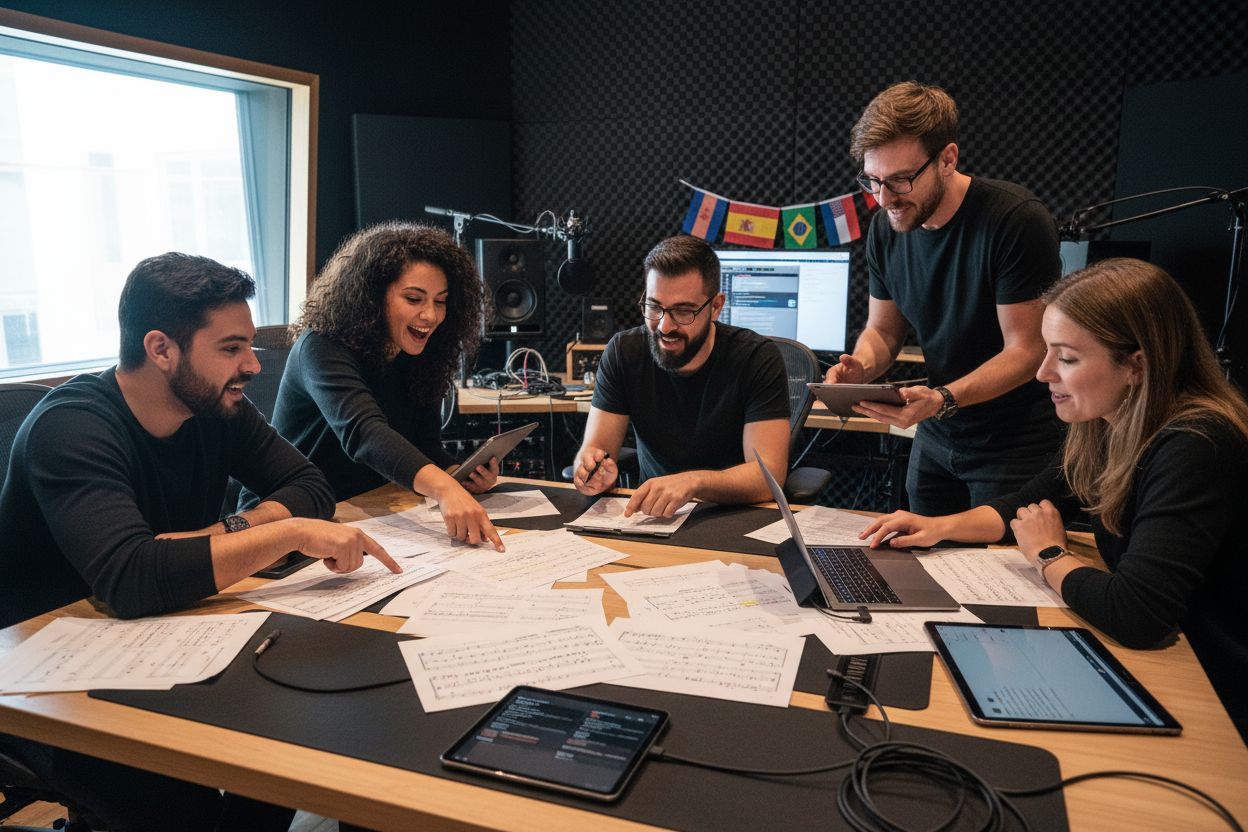
Planning multilingual musical performances requires a strategic approach that balances artistic creativity with cultural sensitivity. According to the Multilingual Performance Project, successful multilingual acts are carefully tailored to specific interests and resources, demonstrating the importance of thoughtful customization in creating compelling performances.
The customization process involves several critical considerations. Artists must carefully select language combinations that create meaningful connections, ensuring that the linguistic choices enhance rather than complicate the musical experience. Research from the European School Education Platform suggests that effective multilingual performances can actually serve as powerful tools for language learning and cultural understanding.
Key planning strategies include:
- Conducting thorough cultural research
- Consulting native language speakers
- Ensuring authentic pronunciation
- Balancing linguistic complexity
- Creating seamless musical transitions
- Respecting cultural nuances
Successful customization goes beyond mere translation. It requires a deep understanding of linguistic rhythms, cultural contexts, and the emotional resonance of different languages. Performers must approach multilingual acts as intricate musical conversations, where each language contributes a unique voice to the overall artistic expression. This approach transforms multilingual performances from simple linguistic exercises into profound cultural experiences that connect audiences across linguistic and cultural boundaries.
Common Challenges and Solutions
Multilingual music performances encounter numerous challenges that require creative and strategic solutions. Research from The Journal of Translation Studies highlights the complex process of translating lyrics and musical content to effectively communicate across linguistic boundaries, revealing the intricate nature of multilingual musical experiences.
One of the most significant linguistic challenges is maintaining the original emotional nuance and rhythmic integrity when incorporating multiple languages. Performers must navigate the delicate balance between linguistic accuracy and musical authenticity, ensuring that the translation does not compromise the song’s original artistic intent. This requires deep cultural understanding, linguistic expertise, and musical sensitivity.
Key strategies for overcoming multilingual performance challenges include:
- Collaborating with native language experts
- Using contextual translations
- Implementing visual storytelling techniques
- Developing adaptive musical arrangements
- Creating multilingual lyric presentations
- Utilizing subtitles and translation technologies
Additionally, Multilingual Titling provides innovative solutions for enhancing audience comprehension. By offering simultaneous translations or contextual explanations, performers can bridge linguistic gaps and create more inclusive musical experiences. The goal is not just to translate words, but to communicate the deeper emotional and cultural essence of the performance, transforming potential barriers into opportunities for cross-cultural connection and understanding.
Bring Multilingual Music Performances to Life with Calle Habana
The challenge of creating seamless, culturally rich multilingual music performances calls for expert live entertainment that understands linguistic diversity and emotional connection. Calle Habana specialises in tailoring vibrant live acts that blend styles like salsa, bachata, and reggaeton with authentic multilingual flair. Whether you want dynamic live band performances or energetic dance music, our experienced musicians bring together language and culture to create unforgettable moments for your event.
Elevate your occasion with a personalised, high-energy musical experience that bridges languages and styles with ease. Don’t wait to transform your wedding or event into an immersive celebration of sound and culture. Contact us today at Calle Habana to start planning your bespoke multilingual music performance.
Frequently Asked Questions
What are multilingual music performances?
Multilingual music performances are live musical experiences that blend multiple languages, cultures, and musical styles to create engaging performances that resonate with diverse audiences.
How do multilingual music performances enhance cultural understanding?
These performances break down linguistic barriers and enable profound connections between audience groups, providing a platform for social bridging and celebrating cultural diversity through shared emotional experiences.
What are some common formats used in multilingual music performances?
Common formats include alternating language verses, hybrid language choruses, spoken word interludes, rhythmic code-switching, and collaborative international musical arrangements, each showcasing different aspects of linguistic and cultural integration.
What challenges do performers face in multilingual music performances?
Performers often face challenges such as maintaining emotional nuance across languages, ensuring authentic pronunciation, and developing adaptive arrangements. Solutions include collaborating with language experts, using contextual translations, and implementing visual storytelling techniques.