

Choosing a destination wedding adds an extra layer of magic and adventure to your big day and it is no wonder these celebrations are on the rise. Yet most couples are shocked to discover that destination weddings usually cost 20-30% more than local weddings. What hardly anyone expects is that with the right strategy, you can actually create a more intimate and memorable event, often with fewer planning headaches than a traditional celebration.
Quick Summary
| Key Point | Explanation |
|---|---|
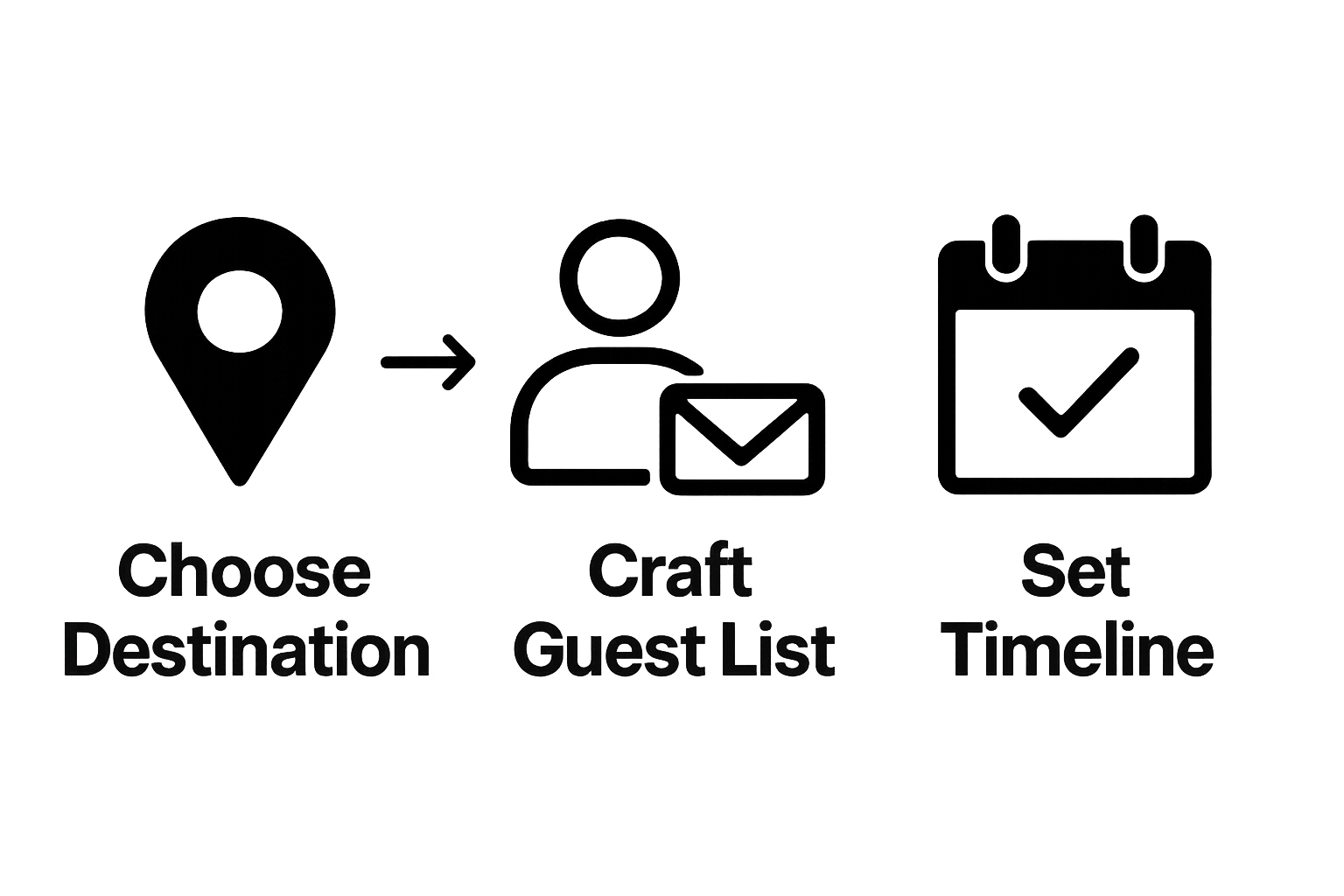
| 1. Choose Your Destination Wisely | Balance personal preferences, guest experience, and logistical considerations when selecting a wedding location. |
| 2. Start with a Comprehensive Guest List | Limit attendees wisely due to travel constraints, focusing on close family and friends for intimacy. |
| 3. Establish a Realistic Budget and Timeline | Prepare for higher costs and set a detailed timeline, ideally 12-18 months in advance to ensure smooth planning. |
| 4. Research and Hire Reliable Vendors | Seek vendors with experience in international weddings who can deliver services tailored to the destination. |
| 5. Finalise Logistics and Details | Create a master travel document, ensure clear communication with guests, and verify all arrangements meticulously before the event. |
Step 1: Determine Your Destination and Venue
Planning a destination wedding begins with selecting the perfect location that captures your vision and sets the stage for an unforgettable celebration. This crucial first step requires careful consideration of multiple factors that will shape your entire wedding experience.
Selecting the right destination involves balancing personal preference, guest experience, and practical logistics. Consider your shared travel history, dream locations that hold special meaning, and destinations that align with your wedding style. Some couples are drawn to romantic Mediterranean coastal towns, while others might prefer historic Spanish cities or picturesque countryside venues.
Budget plays a significant role in destination selection. Research comprehensive costs including venue pricing, travel expenses, accommodation rates, and local vendor fees. Work with a professional wedding planner familiar with international wedding arrangements who can provide transparent cost breakdowns and insider knowledge about specific locations.
Venue Evaluation Criteria
When evaluating potential venues, assess several critical elements beyond aesthetic appeal. Consider guest accessibility, local marriage legal requirements, seasonal weather patterns, and venue capacity. Prioritize locations offering comprehensive wedding packages that might include catering, accommodation, and coordination services. Verify venue availability at least 12 months in advance, especially for popular destinations during peak wedding seasons.
Key verification steps for successful venue selection include:
- Confirming legal marriage recognition in the chosen destination
- Obtaining detailed venue cost breakdowns
- Reviewing venue capacity and layout
- Checking local travel and accommodation options
- Understanding cancellation and modification policies
Remember that your destination wedding venue sets the entire tone for your celebration. Take time to research, visit potential locations if possible, and choose a setting that resonates with your personal love story and wedding vision.
Comprehensive venue research from the New York Institute of Art and Design emphasizes the importance of thorough venue assessment beyond initial visual appeal.
Step 2: Create a Detailed Guest List
Crafting a comprehensive guest list represents a pivotal moment in destination wedding planning, where your vision meets logistical reality. This critical step requires thoughtful consideration, strategic decision making, and careful communication with potential attendees.
Begin by creating an initial draft with your partner, focusing on core guest categories: immediate family, closest friends, and essential work or professional connections. Recognize that a destination wedding inherently limits guest attendance due to travel complexities and expenses. This natural constraint allows you to curate a more intimate celebration with truly meaningful participants.
Consider each potential guest’s practical ability to travel. International destination weddings demand more significant commitment from attendees, requiring substantial time and financial investment. Evaluate factors like passport requirements, travel distance, potential time off work, and individual financial circumstances. Some guests might find international travel challenging or prohibitively expensive, so approach your invitations with empathy and understanding.
Managing Guest List Dynamics
Develop a tiered invitation strategy that accommodates different guest scenarios. Create separate lists for definite invitees, potential attendees, and those who might receive a courtesy invitation understanding their likely inability to travel. Communicate travel expectations transparently from the beginning, providing estimated costs, potential accommodation options, and sufficient advance notice.
Key considerations for guest list management include:
- Calculating approximate per person travel and accommodation expenses
- Understanding guests’ potential travel limitations
- Balancing desired intimacy with familial expectations
- Providing comprehensive travel information
- Establishing clear RSVP deadlines
Utilize digital tools like spreadsheet applications or specialized wedding planning platforms to track guest details, potential attendance, and communication status. These resources help maintain organization and provide real time updates as your guest list evolves.
Wedding planning experts recommend comprehensive guest communication strategies that prioritize transparency and manage expectations effectively.
Step 3: Set a Realistic Budget and Timeline
Establishing a comprehensive budget and strategic timeline forms the financial and organizational backbone of your destination wedding planning.
This critical step transforms your wedding vision from a dream into a structured, achievable plan that balances financial responsibility with celebratory aspirations.
Begin by conducting an honest and thorough financial assessment with your partner. Destination weddings typically require 20-30% higher budgets compared to traditional local celebrations due to additional travel, accommodation, and logistical expenses. Consider all potential funding sources, including personal savings, family contributions, and potential wedding funds. Be transparent about financial limitations and create a budget that prevents unnecessary financial strain.
Break down your budget into distinct categories with precise allocations. Major expense categories include venue costs, travel arrangements, accommodation, catering, entertainment, attire, photography, legal documentation, and contingency funds. Allocate approximately 10-15% of your total budget for unexpected expenses, which are more likely in international wedding scenarios.
Strategic Timeline Development
Create a detailed wedding planning timeline working backwards from your desired wedding date. Destination weddings require significantly longer planning periods, typically 12-18 months to coordinate complex international logistics. Start by identifying critical milestones such as venue booking, guest invitations, travel arrangements, and vendor confirmations. Develop a month by month action plan that distributes tasks evenly and prevents last minute overwhelm.
Key budget and timeline verification steps include:
- Documenting all anticipated expenses with precise estimates
- Creating a comprehensive spreadsheet tracking budget allocations
- Establishing clear payment deadlines for vendors
- Developing a detailed month by month planning checklist
- Setting realistic savings goals
Utilize digital planning tools and spreadsheet applications to track expenses, maintain organization, and provide real time budget updates. Consider consulting a destination wedding specialist who can offer insights into potential hidden costs and optimization strategies.
Project management research highlights the critical importance of comprehensive planning in complex event scenarios to ensure successful execution and resource management.
Step 4: Research and Hire Vendors
Selecting the right vendors represents a pivotal moment in destination wedding planning, where your vision transforms into tangible wedding experiences. This complex process requires meticulous research, strategic communication, and careful evaluation of international professionals who can deliver exceptional services in your chosen location.
Begin your vendor search by leveraging specialized destination wedding networks and professional recommendations. Local wedding planners with regional expertise become invaluable resources, offering insights into reputable vendors who understand the unique challenges of international celebrations. Focus on professionals with demonstrated experience in destination weddings, particularly those familiar with your specific geographical region and cultural nuances.
Prioritize vendors who demonstrate flexibility, multilingual communication skills, and comprehensive service packages. Wedding photographers, caterers, musicians, and coordinators must not only be technically proficient but also adaptable to potentially unfamiliar logistical environments. Request comprehensive portfolios, detailed service agreements, and transparent pricing structures that account for potential travel or accommodation expenses.
Vendor Selection Strategy
Develop a systematic approach to vendor evaluation that goes beyond aesthetic appeal. Conduct thorough background checks, read comprehensive reviews, and request multiple references from previous international wedding clients. Schedule detailed video consultations to assess communication compatibility and ensure vendors understand your specific wedding vision. Pay close attention to their responsiveness, professionalism, and ability to provide creative solutions to potential challenges.
Key vendor selection verification steps include:
- Confirming vendor’s international wedding experience
- Reviewing comprehensive service contracts
- Verifying professional credentials and insurance
- Checking language communication capabilities
- Establishing clear payment and cancellation terms
Utilize digital platforms and wedding planning tools to organize vendor information, track communication, and maintain comprehensive documentation. Create a centralized system that allows easy comparison of vendor proposals, pricing, and service offerings.
Professional event management research emphasizes the critical importance of comprehensive vendor selection processes to ensure successful and seamless event execution.
Step 5: Finalise Logistics and Travel Arrangements
Finalising logistics and travel arrangements transforms your destination wedding from a conceptual plan into a tangible, executable event. This intricate step requires comprehensive coordination, meticulous attention to detail, and proactive management of complex international travel dynamics.
Begin by creating a master travel coordination document that consolidates all critical information for your wedding party. This comprehensive guide should include flight details, accommodation reservations, local transportation options, wedding venue specifics, and emergency contact information. Develop a clear communication strategy that ensures every guest receives consistent, detailed travel instructions well in advance of the wedding date.
Consider engaging a professional travel coordinator specializing in group destination travel. These experts can negotiate group rates, manage complex booking logistics, and provide invaluable support in navigating potential travel complications. International travel requires significantly more coordination than domestic events, so anticipate potential challenges such as passport requirements, visa regulations, and potential language barriers.
Strategic Travel Planning
Create a tiered communication approach that provides guests with progressive travel information. Start with initial high level details, followed by comprehensive travel packages that include specific booking instructions, recommended travel windows, and potential group travel discounts. Develop a centralized digital platform where guests can access real time updates, ask questions, and confirm their attendance.
Key logistical verification steps include:
- Confirming individual guest travel arrangements
- Verifying passport and visa requirements
- Establishing comprehensive travel insurance coverage
- Creating detailed transportation and accommodation maps
- Developing a guest communication protocol
Utilize digital tools like shared spreadsheets, wedding planning platforms, and group messaging applications to maintain seamless communication.
 Consider creating a dedicated wedding website or mobile application that provides real time updates and serves as a central information hub for all travel related details.
The United Nations World Tourism Organization emphasizes the importance of comprehensive travel planning and monitoring global travel conditions to ensure smooth international event coordination.
Step 6: Verify Details and Execute the Plan
The final stage of destination wedding planning involves a meticulous verification process that transforms your comprehensive strategy into a flawless celebration. This critical step requires systematic review, proactive problem solving, and precise execution of every carefully planned detail.
Systematic verification becomes your most essential tool in ensuring wedding day success. Begin by creating a comprehensive master checklist that cross references every aspect of your wedding plan. Review each element multiple times, confirming vendor contracts, guest arrangements, travel logistics, and venue specifications. Pay special attention to potential discrepancies that could emerge in an international wedding context, such as language barriers, cultural differences, or local regulatory requirements.
Schedule multiple coordination meetings with your primary wedding planner and key vendors in the weeks leading up to the event. These strategic conversations allow you to confirm intricate details, address potential challenges, and ensure everyone understands their specific roles and responsibilities. Develop a contingency plan for potential unexpected scenarios, including alternative arrangements for weather disruptions, travel complications, or vendor emergencies.
Final Execution Strategy
Create a detailed day of wedding timeline that provides minute by minute guidance for you, your partner, wedding party, and vendors. This document should include precise location details, contact information, transportation schedules, and specific role assignments. Consider developing a digital shared document that allows real time updates and can be accessed by all key participants.
Key verification and execution steps include:
- Confirming all vendor contracts and final payments
- Reviewing comprehensive wedding day timeline
- Checking legal documentation and marriage requirements
- Establishing emergency contact protocols
- Creating backup plans for critical wedding elements
Utilize digital wedding planning platforms and communication tools to maintain seamless coordination. Designate a trusted wedding party member as a point of contact who can manage unexpected situations and provide immediate support during the celebration.
Below is a checklist table summarising the critical verification and execution steps for the final stage of destination wedding planning.
| Verification Step | Description |
|---|---|
| Confirm all vendor contracts and payments | Ensure all service providers are finalised and paid in full. |
| Review comprehensive wedding day timeline | Verify that all timings, locations, and roles are clearly planned. |
| Check legal documentation | Confirm marriage requirements are satisfied for your destination. |
| Establish emergency contact protocols | Set clear communication channels for handling unforeseen events. |
| Create backup plans for critical elements | Prepare contingency plans for issues such as weather or travel disruptions. |
Cornell University emphasizes the critical importance of verifying all details for accuracy and reliability in complex event planning scenarios.
Elevate Your Destination Wedding With Unforgettable Live Music
You have worked hard to shape every aspect of your dream wedding abroad: from choosing the ideal venue to coordinating travel and verifying every detail. Yet, as you saw in the Ultimate Destination Wedding Checklist for Planning Success, even the best planning cannot guarantee a magical atmosphere without the right entertainment. Many couples struggle to find reliable music solutions that bring energy and joy to weddings far from home. The last thing you want is a celebration that feels flat or fails to unite your guests across cultures.
Step confidently beyond your checklist by exploring the difference that bespoke live entertainment provides. Discover our expertly curated Destination Wedding services and tap into a world of vibrant Latin music, tailored to suit every moment of your special day in Spain. Ready to turn your wedding vision into a lively, unforgettable celebration? Connect with our professional team through our contact page and let us handle the soundtrack for your perfect day, so you can focus on making memories that last.
Frequently Asked Questions
What should I consider when choosing a destination for my wedding?
Consider personal preferences, guest accessibility, local legal requirements, venue capacity, and the overall atmosphere you wish to create.
How can I effectively manage my guest list for a destination wedding?
Create a tiered invitation strategy that includes definite invitees, potential attendees, and courtesy invitations, while transparently communicating travel expectations and costs.
What is the average budget increase for a destination wedding compared to a traditional wedding?
Destination weddings typically require a budget increase of 20-30% due to additional travel, accommodation, and logistical expenses.
How far in advance should I book my venue for a destination wedding?
It is advisable to verify venue availability at least 12 months in advance, especially for popular destinations during peak wedding seasons.
Recommended
- How To Plan A Destination Wedding | Calle Habana Band
- Wedding Planning Essentials | Calle Habana Band
- Perfect Spanish Wedding Planning: 5 Essential Tips
- Destination Wedding | Calle Habana Band
- Sun, Sand, and Serenity: Your Perfect Guide to Unforgettable Beach Holidays – PilotTravelDeals.com
- Ultimate Vacation Planning Checklist for 2025: US Travelers Guide – Yopki


