Bachata and salsa are everywhere in Latin dance studios, and each one has its own unique story. Many people think they are nearly the same, but that misses a huge detail. The real difference comes alive when you realise that salsa emerged from New York City’s immigrant communities in the 1970s, while bachata was born in the Dominican Republic’s working class in the 1960s. This split in origins unlocks a world of contrasts in rhythm, movement, and emotion. For anyone curious about bachata vs salsa, understanding this origin story is the perfect place to start.
Quick Summary
If you’re comparing bachata vs salsa at a glance, this table highlights the essentials.
| Takeaway | Explanation |
|---|---|
| Bachata and salsa have distinct origins | Salsa developed from Afro-Caribbean styles in NYC, while bachata originated in the Dominican Republic. |
| Rhythm and movement define each style | Salsa features a quick, sharp rhythm; bachata is slower and more sensual with hip movements. |
| Cultural narratives shape dance forms | Both styles serve as powerful expressions of cultural identity, reflecting social struggles and joy. |
| Choose dance style based on event atmosphere | Salsa energises larger groups, while bachata fosters intimacy, suitable for personal gatherings. |
| Musical characteristics differ significantly | Salsa uses brass and complex rhythms; bachata focuses on acoustic guitar and simpler structures. |

What is Bachata and Salsa? Understanding the Basic Differences
Bachata and salsa are two vibrant Latin dance styles that originated in the Caribbean, each with unique rhythms, movements, and cultural significance. While they might seem similar to the untrained eye, these dance forms have distinct characteristics that set them apart. The bachata vs salsa debate is not only about steps—it is about history, identity, and emotion.
Origins and Cultural Context
Salsa emerged in the 1970s as a fusion of multiple Afro-Caribbean and Latin American dance styles, primarily developing in New York City through Cuban and Puerto Rican immigrant communities. According to research on dance generation, salsa represents a complex social dance form that integrates multiple musical traditions.
Bachata, in contrast, originated in the Dominican Republic during the 1960s, initially considered a music and dance style of the working class. It evolved from traditional bolero and son styles, gradually gaining international recognition through its passionate and intimate dance movements.
Key Distinguishing Characteristics
When analysing bachata vs salsa, the primary differences lie in their musical structure, movement patterns, and emotional expression:
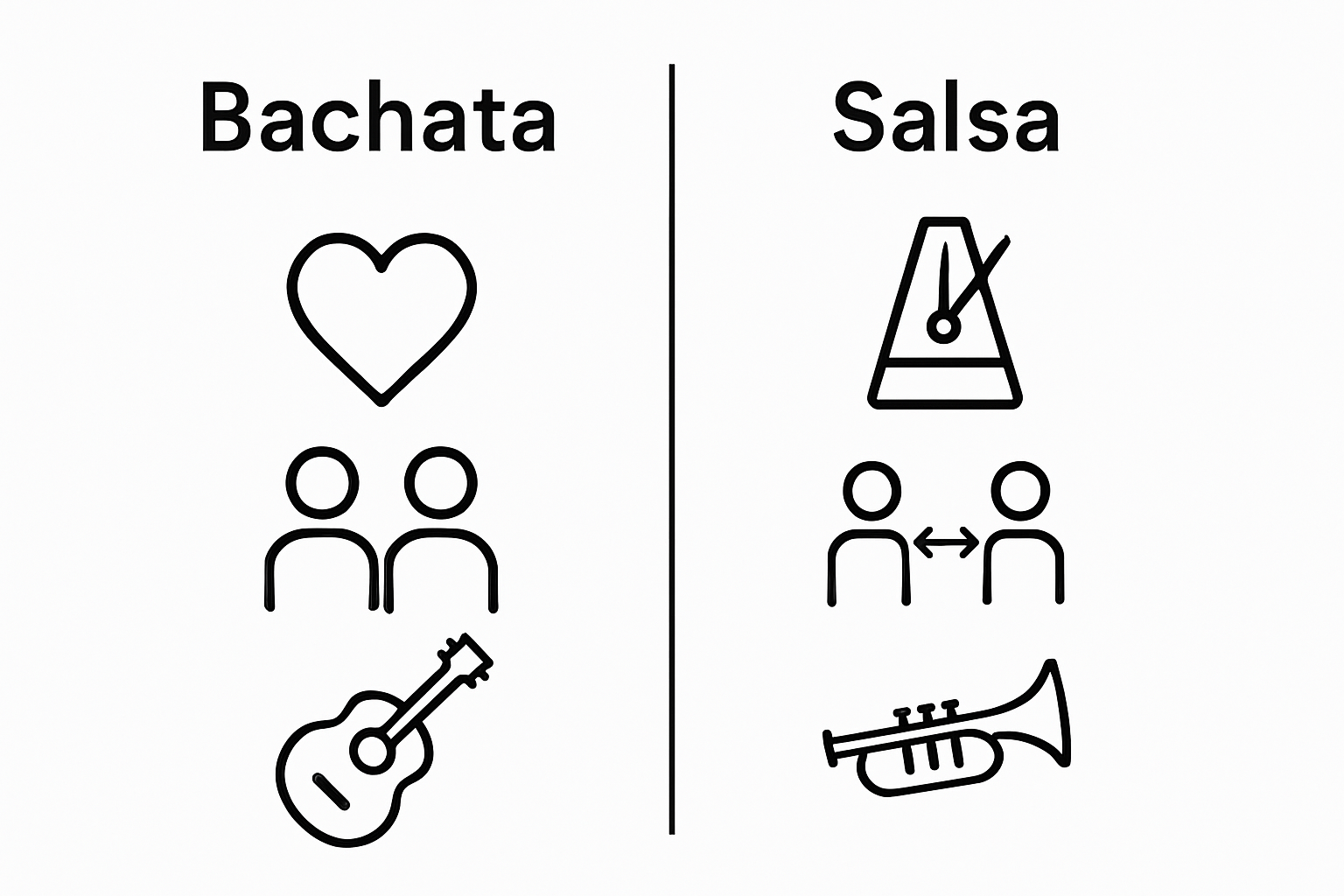
- Rhythm: Salsa typically follows a quick, energetic 4/4 time signature with sharp, angular movements. Bachata has a slower, more sensual 4/4 rhythm with a distinctive hip movement and closer partner connection.
- Dance Technique: Salsa involves more turn patterns, linear movements, and complex footwork. Bachata emphasizes body movement, hip motion, and a more intimate partner connection.
- Musical Instrumentation: Salsa uses brass instruments, percussion, and complex arrangements. Bachata relies more on guitar, bongos, and a more acoustic, romantic sound.
By understanding these nuanced differences, dancers and enthusiasts can appreciate the rich cultural heritage and unique expressions embodied in bachata and salsa dance forms.
To clarify the main differences in bachata vs salsa, here is a side-by-side comparison of their origins, music, movements, and cultural roles.
| Aspect | Bachata | Salsa |
|---|---|---|
| Origin | Dominican Republic, 1960s | New York City, 1970s (Afro-Caribbean communities) |
| Rhythmic Style | Slower, sensual 4/4 rhythm with steady tempo | Quick, energetic 4/4 with syncopated rhythms |
| Dance Movements | Close partner connection, hip motion, body rolls | Complex turns, linear movements, sharp footwork |
| Instrumentation | Acoustic guitar, bongos, minimal brass | Brass, piano, multiple percussion instruments |
| Emotional Tone | Romantic, intimate, expressive | High-energy, celebratory, dynamic |
| Cultural Identity | Rooted in working-class and marginalised voices | Reflects urban immigrant experience and pride |
| Ideal Event Setting | Intimate gatherings, weddings | Group-oriented, lively parties and celebrations |
The Cultural Significance of Bachata and Salsa in Latin Music
Bachata vs salsa is more than a technical comparison—both transcend mere dance forms to become powerful expressions of cultural identity, storytelling, and social connection across Latin American communities. These dance styles are living narratives of historical struggle, resilience, and community celebration.
Social and Historical Roots
According to research on Latino musical identity, salsa and bachata emerged as profound social commentaries, reflecting the experiences of working-class communities. They developed as musical languages that communicated complex emotions, social challenges, and collective experiences that traditional communication methods could not express.
Bachata originally represented the voice of marginalized Dominican communities, with lyrics addressing themes of heartbreak, social inequality, and personal resilience. Salsa similarly evolved as a vibrant musical protest, giving voice to Puerto Rican and Cuban immigrant experiences in urban environments like New York City.
Cultural Identity and Expression
- Emotional Storytelling: Each dance and musical composition tells a nuanced story about love, struggle, joy, and community
- Social Connection: They provide platforms for intergenerational communication and cultural preservation
- Resistance and Empowerment: The dances represent cultural pride and resilience against historical marginalization
Interested dancers might want to explore more essential Spanish dance styles to understand the broader context of Latin musical traditions.
Ultimately, bachata and salsa are not just dance styles—they are living, breathing cultural artifacts that continue to evolve, representing the dynamic spirit of Latin American communities worldwide.
How Bachata and Salsa Evolved: A Historical Overview
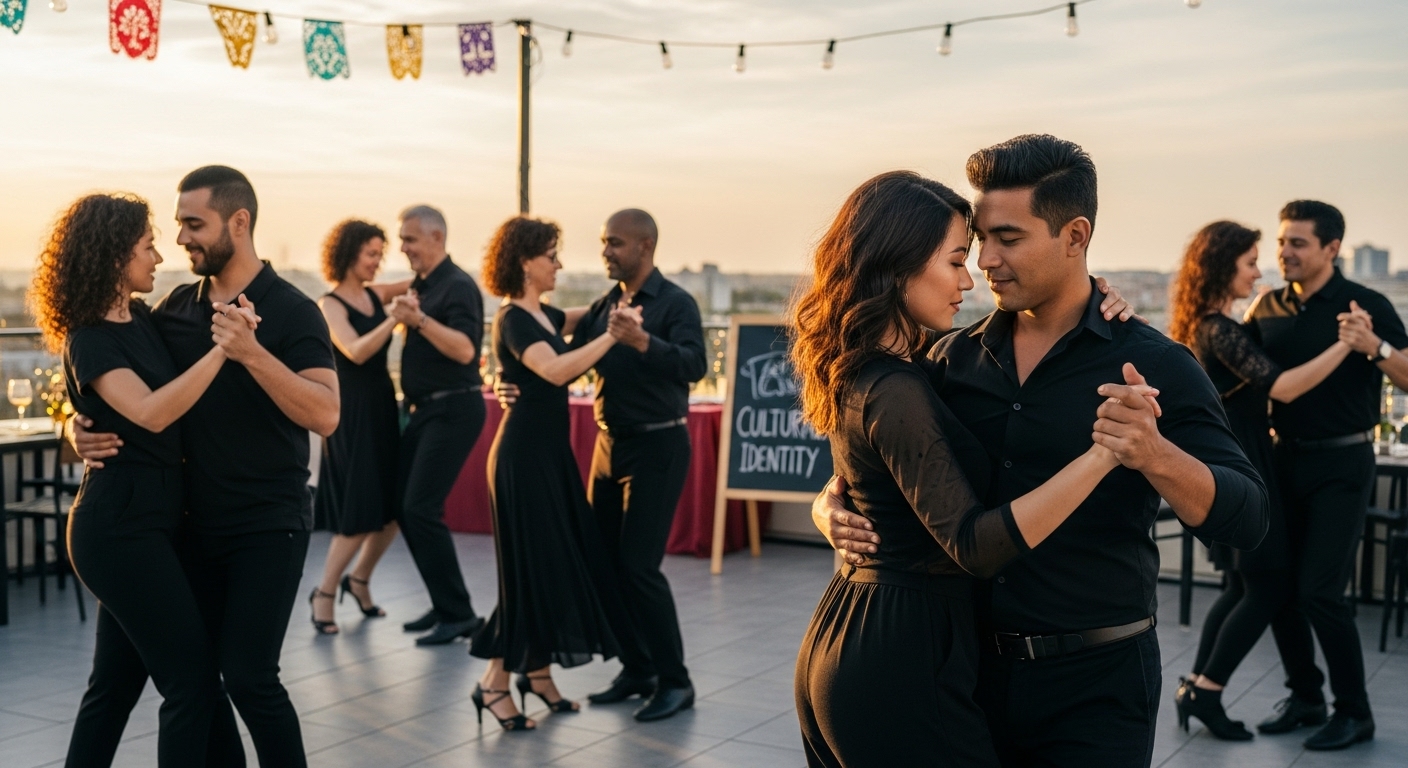
The evolution of bachata vs salsa is a testament to the dynamic cultural interactions that shape musical traditions across Latin America. These dance forms emerged from complex historical processes, blending indigenous, African, and European influences into vibrant musical expressions.
African Roots and Musical Transformation
According to research on Latin dance evolution, both bachata and salsa have profound African musical roots, reflecting the rich cultural heritage of Caribbean communities. The rhythmic patterns, movement styles, and improvisational elements trace back to African musical traditions brought to the Americas through the traumatic history of slavery.
Salsa developed in the urban melting pots of New York City during the 1960s and 1970s, where Cuban, Puerto Rican, and other Caribbean musicians created a new musical language. Bachata, originating in the Dominican Republic, began as a marginalized music form in rural and working-class communities before gaining national and international recognition.
Stages of Musical Development
- Emergence: Initial development in local community spaces, often overlooked by mainstream cultural institutions
- Transformation: Gradual acceptance and adaptation, incorporating influences from various musical traditions
- Global Recognition: Emerging as internationally respected art forms with global dance communities
Interested music enthusiasts might want to explore more about Latin dance performances to understand the broader context of these rich musical traditions.
Today, bachata and salsa stand as powerful representations of cultural resilience, artistic innovation, and the continual reimagining of musical identity across generations.
The Musical Elements: Understanding Rhythm and Style
The musical foundations of bachata vs salsa reveal profound differences in rhythm, instrumentation, and emotional expression. These distinctions not only shape the dance styles but also reflect the unique cultural narratives embedded within each musical tradition.
Rhythmic Complexity and Structure
According to musicological research, salsa and bachata represent distinct rhythmic universes. Salsa is characterized by intricate syncopated rhythms, utilizing complex clave patterns that create a dynamic, multilayered musical landscape—an essential point when weighing bachata vs salsa on the dance floor.
Bachata, in contrast, employs a more straightforward 4/4 rhythm with subtle syncopations. Its musical structure emphasizes romantic guitar lines and a smoother, more intimate musical progression that directly influences the dance’s close, sensual movements.
Instrumental Characteristics
- Salsa Instruments: Brass sections, multiple percussion instruments, complex piano montunos, creating a vibrant, high-energy sound
- Bachata Instruments: Predominant acoustic guitar, bongos, minimal brass, focusing on melodic and emotional expression
- Rhythmic Patterns: Salsa uses complex polyrhythms, while bachata maintains a more consistent, linear rhythmic structure
Musicians and dance enthusiasts might want to explore Latin dance song selections to experience these musical nuances firsthand.
Ultimately, the musical elements of bachata and salsa represent more than technical differences—they are living expressions of cultural identity, storytelling, and emotional landscape.
Here is an overview of the musical components that distinguish bachata and salsa, focusing on their rhythmic patterns and typical instrumentation.
| Musical Element | Bachata | Salsa |
|---|---|---|
| Basic Rhythm | Straightforward 4/4, steady chords | Complex syncopation, clave patterns |
| Primary Instruments | Acoustic guitar, bongos | Brass (trumpets, trombones), piano, congas |
| Sound Character | Melodic, smooth, romantic | Layered, upbeat, vibrant |
| Dance Influence | Close, fluid partner work | Fast-paced, energetic footwork |
Choosing the Right Dance for Your Event: A Practical Perspective
Selecting the appropriate dance style—bachata or salsa—can dramatically transform the atmosphere and emotional landscape of an event. When you frame it as bachata vs salsa, the choice becomes a strategic design decision for guest engagement.
Event Atmosphere and Social Interaction
According to research on social dance functions, the choice between bachata and salsa significantly impacts participant engagement and interaction. Salsa typically generates high-energy, group-oriented environments that encourage collective participation, while bachata creates more intimate, emotionally connected experiences.
The selection process involves carefully considering the event’s purpose, audience demographics, and desired emotional outcome. A corporate networking event might benefit from salsa’s dynamic group interactions, whereas a romantic wedding reception could find bachata’s close partner connection more suitable.
Strategic Dance Selection Criteria
- Energy Level: Salsa provides high-intensity, dynamic interactions ideal for larger groups and younger audiences
- Emotional Tone: Bachata offers more romantic, intimate connections perfect for smaller, more personal gatherings
- Musical Preference: Consider the audience’s cultural background and musical taste
For those planning special events, exploring Latin dance song selections can provide additional insights into musical choices.
Ultimately, the right dance selection transforms an ordinary event into an extraordinary cultural experience, creating lasting memories through rhythmic expression and social connection.
Bring the Heart of Bachata and Salsa to Your Next Event
You have just explored the unique rhythms and cultural significance that set bachata and salsa apart. Trying to decide which dance style will best capture the mood at your wedding or special occasion can be overwhelming. Many readers feel challenged by the pressure to choose between the high-energy celebration of salsa and the romantic intimacy of bachata. No matter which musical spirit speaks to you, ensuring your event radiates authenticity and excitement is what matters most.
Let’s make your party unforgettable!
Be the perfect host and ensure all your guests enjoy an amazing experience with live music.
Frequently Asked Questions
What are the key differences between bachata and salsa?
Bachata features a slower, more sensual rhythm with close partner connection, while salsa is characterised by fast-paced, energetic movements and more complex footwork—core distinctions when people ask about bachata vs salsa.
How did bachata and salsa originate?
Bachata originated in the Dominican Republic, evolving from traditional music of the working class, whereas salsa emerged as a fusion of various Afro-Caribbean dance styles, particularly in urban environments through Cuban and Puerto Rican communities.
What musical instruments are typically used in bachata and salsa?
Salsa primarily uses brass instruments and various percussion, while bachata emphasises acoustic guitar and bongos, creating a more romantic sound.
In what type of events is bachata suitable compared to salsa?
Bachata is ideal for intimate gatherings, like weddings, while salsa is better suited for high-energy, group-oriented events that encourage dynamic participation.